
Prices and ratings were checked on Amazon on October 10, 2026. This guide is general information, not medical advice. Claims about health follow EPA and CDC guidance, which says air cleaners help but do not replace source control and ventilation.
Is an air purifier worth the money? It depends on what you want it to do. For some people it is a daily help. For others it is a quiet box that does little. Here is a plain look at where it pays off, where it does not and what to buy if you decide yes.
Table of Contents
What an Air Purifier Can Do
A purifier with a true HEPA filter pulls air through a dense filter that catches 99.97 percent of particles at 0.3 micron. That covers many of the things people want out of the air:
- Dust, pollen and pet dander. These are the big allergy triggers, and HEPA catches them well. See what a HEPA filter removes from the air.
- Smoke. Wildfire smoke and secondhand smoke are mostly fine particles. A purifier with a good CADR can cut them a lot in a closed room.
- Mold spores in the air. A purifier can catch spores that are floating around, though it does not stop mold from growing.
- Odors and some gases. This takes a carbon filter, and a thin carbon layer will fill up fast.
- Airborne germs. The CDC says portable HEPA air cleaners can help reduce airborne virus particles as part of a mix of steps, including fresh air and filtration. A filter traps germs, and it does not kill them.
Looking ahead, air purifiers are moving from a nice-to-have to a normal home appliance. Wildfire seasons, smoke events and more time spent indoors keep the demand high, and prices on basic HEPA units keep falling. The catch is that a growing market also brings more weak products, with big claims and no tested airflow number.
What It Cannot Do
- Fix the source. A damp wall keeps growing mold. A leaky gas stove keeps releasing gas. A purifier can only clean the air that reaches it.
- Remove carbon monoxide or radon. A standard purifier does not touch them. Use CO alarms and a radon test.
- Clean surfaces. Dust on shelves and carpets stays there, and a purifier only catches what gets stirred into the air.
- Cure disease. The EPA says air cleaners can reduce particles, but they are not a substitute for removing sources and ventilating. Studies on asthma and allergy symptoms are mixed, with the clearest gains when the main trigger is airborne particles such as smoke or pet dander.
When It Is Worth It
- You have pet allergies or pets that shed. It is one of the best uses.
- You live where wildfire smoke or heavy traffic is common. A purifier in the room where you sleep is a smart buy.
- Someone smokes near your home, or smoke drifts through walls. A purifier helps but does not make smoke safe. See secondhand smoke.
- You have seasonal allergies and sleep poorly in pollen season. A quiet unit in the bedroom can help.
- You have an infant or a person with asthma. Talk to the doctor, and pick a model with no ozone. See air purifiers for babies.
When It Is Probably Not Worth It
- You have no symptoms, no smoke, no pets and a clean, well-ventilated home.
- The real issue is a leak, mold or a gas appliance that you can fix.
- You plan to buy a very cheap unit with no CADR number or filter price.
- You will not replace the filters. A clogged filter does little.
The risk to watch is false comfort. A purifier can make a room feel cleaner while the real cause stays put: a gas stove, a damp wall, a smoker or a leaking duct. Expect more marketing that sells the box as a cure-all, and expect some buyers to skip simple fixes such as venting and cleaning because a light says the air is good.
What It Costs
Here is a sample for a mid-priced bedroom unit. The Levoit Core 300 was $89.99 on Amazon on October 10, 2026. Its genuine filter was $25.99, and the maker says to replace it about every 6 to 8 months. That works out to roughly $35 to $50 a year in filters, plus a few dollars a month in power. A larger unit such as the Winix 5510 costs more up front and about $47 per genuine filter. Our cost guide has the math for five years. A good rule is to count cost per year, not just the sticker price.
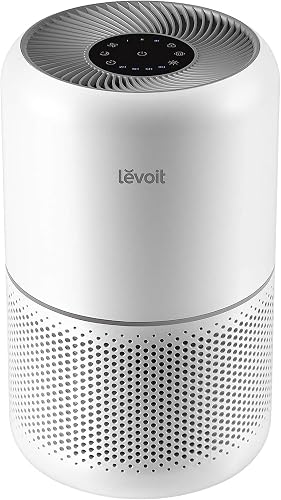
Price on Amazon: $89.99 | 4.7 stars from 108,994 ratings (checked October 10, 2026)
The Levoit Core 300 is the low-cost bedroom pick.
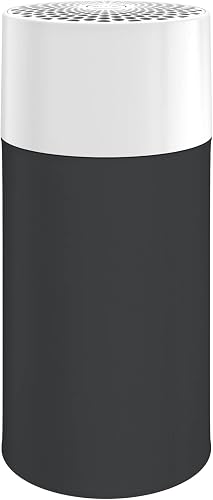
Price on Amazon: $119.99 | 4.6 stars from 7,662 ratings (checked October 10, 2026)
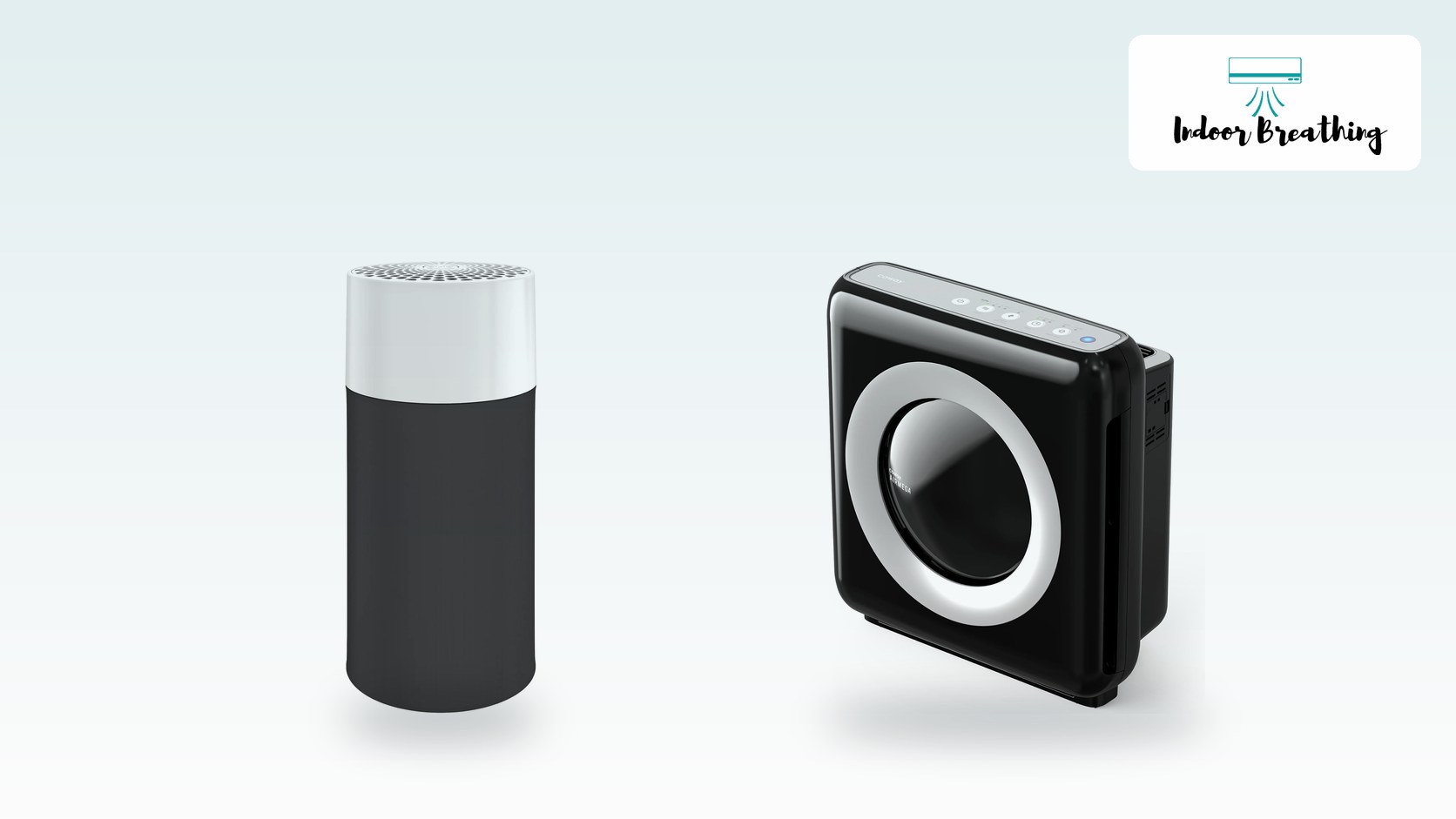
The Blueair Blue Pure 411 is rated ENERGY STAR and very quiet on low, a good fit for a nursery or office.
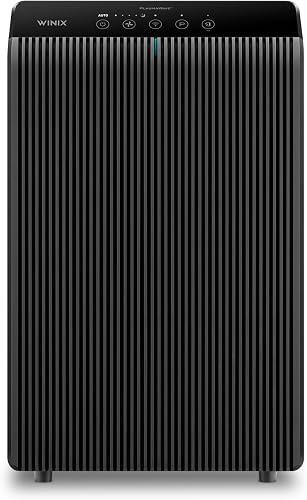
Price on Amazon: $179.99 | 4.6 stars from 32,377 ratings (checked October 10, 2026)
The Winix 5510 covers a large room on a budget.
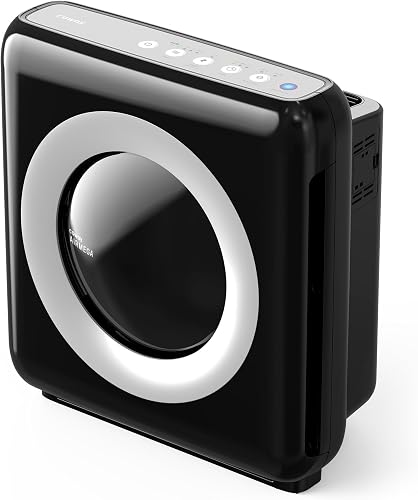
Price on Amazon: $229.99 | 4.6 stars from 29,196 ratings (checked October 10, 2026)
The Coway Mighty is a long-time allergy pick with an air quality light and filter indicator.
How to Get Your Money’s Worth
- Match the room. Use the CADR and the two-thirds rule. A unit that is too small runs flat out and does little.
- Put it where you spend time. The bedroom is the best first room.
- Keep doors closed and run it on a steady speed, with auto mode if it has one. See whether to run it all the time.
- Change filters on time.
- Avoid ozone. Skip ionizers without a CARB listing and any unit that makes ozone on purpose.
- Test first if you can. A cheap monitor shows whether your air has a particle problem. See air quality testing.
FAQ
Are air purifiers a waste of money?
They can be, if the unit is the wrong size, the filters are never changed or the real source is not fixed. When matched to a real problem, they are a good buy.
Do air purifiers really work?
Yes, at lowering particles in a room. How much that helps your health depends on your triggers.
Do air purifiers have downsides?
Noise, filter costs and, for ozone-making models, a lung irritant. See disadvantages of air purifiers.
Where should you put an air purifier?
In the room you use most, with a foot or more of space around it. Keep it away from corners and curtains. Placing it high is not needed, since most particles mix through the room air.
Final Word
If you have a clear reason and pick the right size, an air purifier is a good buy. Start with the bedroom, fix the source when you can and budget for filters. Read our air purifier buying guide for the steps.
What happens next: more buyers will ask for proof, such as an AHAM CADR number and a filter price, before they buy. That is the right instinct. A purifier is worth it when it matches the room and the problem. It is a waste when it is oversized, underused or bought to solve something it cannot.
Related Guides
Keep going with how much air purifiers cost, running a purifier all the time, disadvantages of air purifiers and side effects of air purifiers.