

This page links to every HVAC guide on the site. Refrigerant work can require EPA certification, so check current rules.
HVAC covers heating, cooling and the air that moves through your home. This hub groups our guides so you can find the right one fast.
Table of Contents
Start Here
- New to HVAC? Read the basics in how HVAC systems work.
- Keeping a system healthy? Start with coil cleaners, condenser pads, UV lights and the maintenance guide.
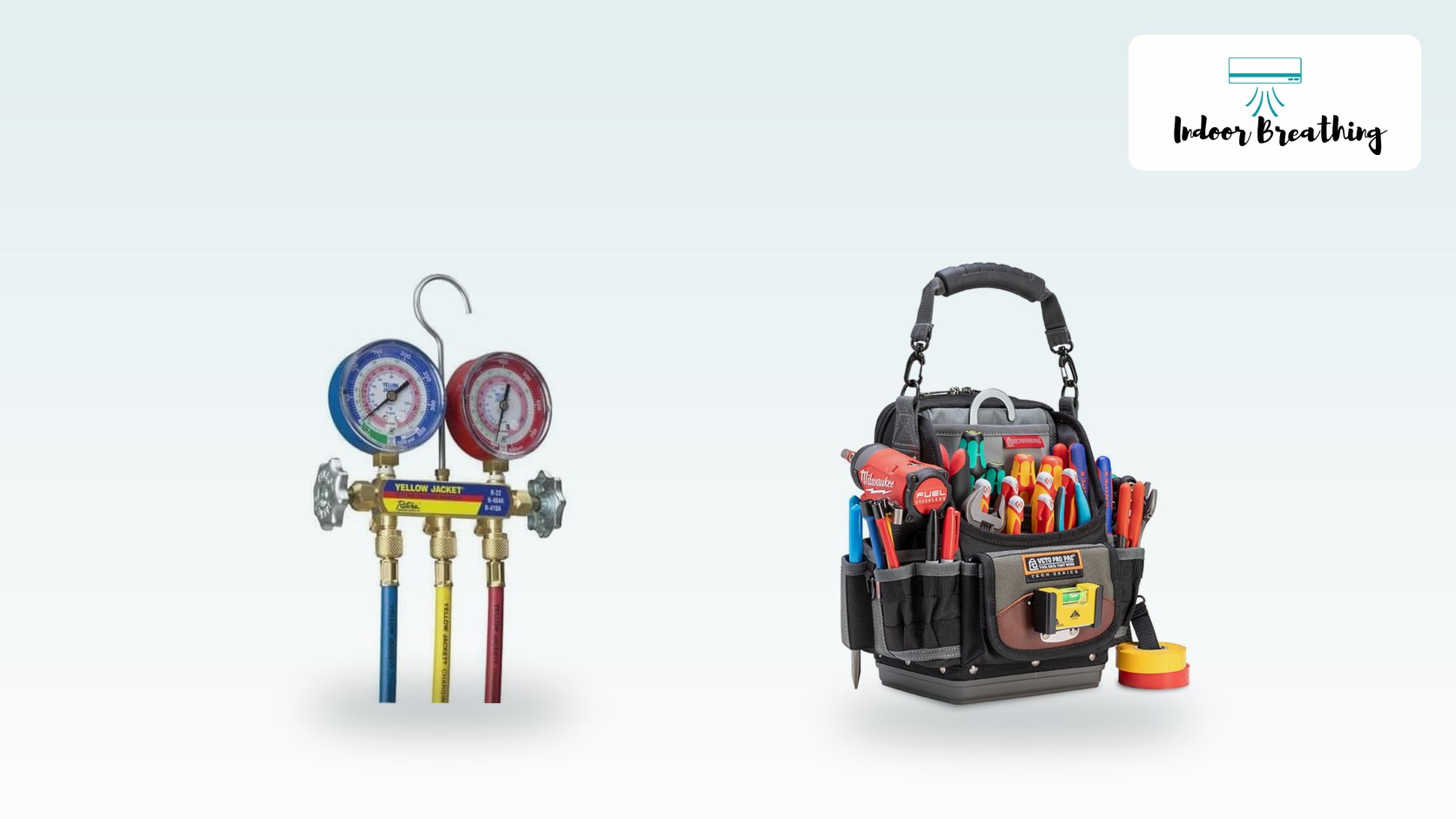
- Installing or servicing? See gauges, vacuum pumps, scales, multimeters and tool bags.
- Sizing? Use the BTU, SEER2 and tonnage calculators.
Here is where HVAC is heading: heat pumps, new refrigerants and higher efficiency ratings. Equipment sold today is rated in SEER2, and newer systems use refrigerants such as R-32 and R-454B, which are mildly flammable and need trained hands. Tools and test gear are changing right along with them.
HVAC Buying Guides
- How do HVAC Systems Work
- Maintain Your HVAC System
- Best AC Coil Cleaners
- Best AC Condenser Pads
- Best Diffusers for HVAC Duct System
- Best HVAC Gauges
- Best HVAC Multimeters
- Best HVAC Tool Bags
- Best HVAC Vacuum Pumps
- Best HVAC Zone Dampers
- Best Refrigerant Scales
- Best UV Lights for HVAC
- Klein CL320KIT HVAC Kit Review
- BTU Calculator
- SEER2 Energy Savings Calculator
- Commercial HVAC Tonnage Calculator
- SEER2 Energy Savings Guide
- Central Air Conditioner Not Cooling
The downside is cost and skill. New gear costs more, parts for older systems get scarcer and a DIY install of a pre-charged kit can go wrong quickly if the vacuum, the flare or the electrical work is skipped. Expect more people tackling jobs that call for a license, and more bills from fixing those jobs. Check local rules before you handle refrigerant, and hire a pro for anything you cannot test.
FAQ
What does HVAC stand for?
Heating, ventilation and air conditioning.
What is SEER2?
The current efficiency rating for air conditioners and heat pumps. Higher is better.
Can you handle refrigerant yourself?
In the United States, EPA rules require certification to buy and handle most refrigerants. Check current rules.
What is the easiest way to cut HVAC costs?
Keep coils and filters clean and have the system checked each year.
Final Word
Start with the basics, keep the system clean and size new equipment with a calculator.
What comes next: more smart thermostats, more zoning and more rules on refrigerant handling. Start with maintenance, because a clean system lasts longer and costs less to run.
Related Guides
Keep going with how HVAC systems work, cost-effective HVAC maintenance, SEER2 energy savings guide, BTU calculator and central air conditioner not cooling.