
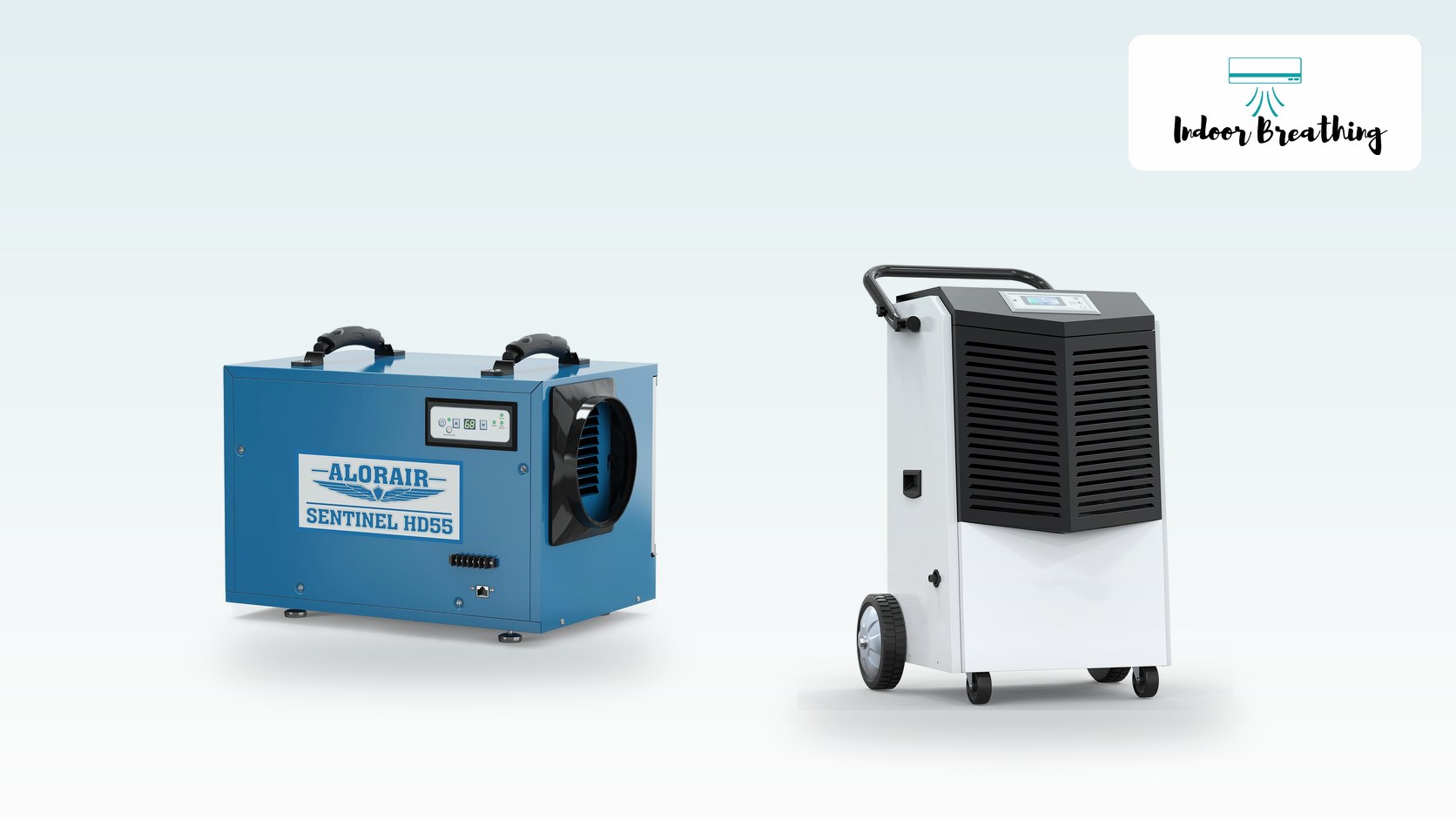
Five commercial dehumidifiers below were checked on Amazon on October 12, 2026. Several older picks on the old page are gone, and a few have too few ratings to trust, so they were dropped. Specs come from Amazon listings and are maker claims.
Most homes do not need a commercial dehumidifier. A wet crawl space or a flood is the exception. Here is what makes these machines different, how to read their numbers and five models worth a look.
Table of Contents
What Makes a Dehumidifier Commercial?
A commercial dehumidifier is built for wet job sites. It has a tougher case, a larger compressor, a pump or hose drain and a long warranty. Restoration crews use them after floods and leaks. Homeowners use them in crawl spaces, garages and basements that a normal portable cannot dry.
Some are LGR models, short for low grain refrigerant. They pre-cool the air so they keep pulling water when the air is already fairly dry. A standard compressor unit slows down at low humidity. An LGR unit holds its pace better, which is why crews like them for drying out a flooded room.
Read the Pint Number Carefully
Commercial units are rated in pints per day, often at saturation: 90 degrees and 90 percent humidity. That is a wet jungle, not a basement. The rating at normal room conditions is often about half. The Sentinel HD55 is a good example: listed at 113 pints, but for 1,200 square feet. See how to choose the right size dehumidifier before you pay for pints you will not use.
Looking ahead, commercial dehumidifiers are moving into homes. More people with wet crawl spaces, flooded basements and humid garages now buy restoration-grade units instead of renting them. Pumps are becoming standard and prices are easing. The catch is that these machines are built for job sites, not living rooms. They are loud, heavy and rated with big saturation numbers that make them look stronger than they are.
5 Commercial Dehumidifiers on Amazon
Prices and ratings were checked on Amazon on October 12, 2026.
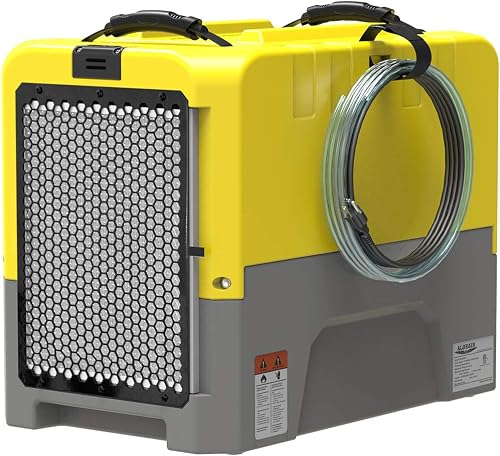
Price on Amazon: $599.33 | 4.0 stars from 789 ratings (checked October 12, 2026)
The ALORAIR 180 PPD is a compact unit with a pump, sold with a 6-year limited warranty, per the listing. It has a 4.0 rating from 789 ratings.
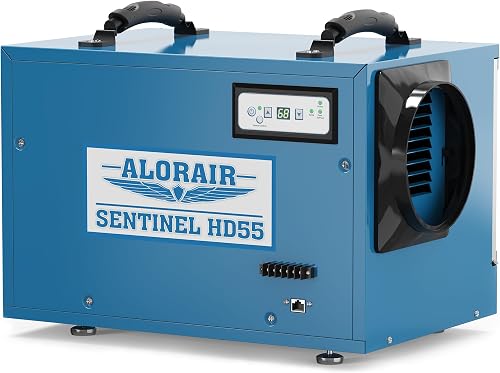
Price on Amazon: $499.36 | 4.2 stars from 1,222 ratings (checked October 12, 2026)
The ALORAIR Sentinel HD55 is listed at 113 pints a day, 1,200 square feet, with auto defrost and a drain hose. It has a 4.2 rating from over 1,200 ratings, the best of the group.
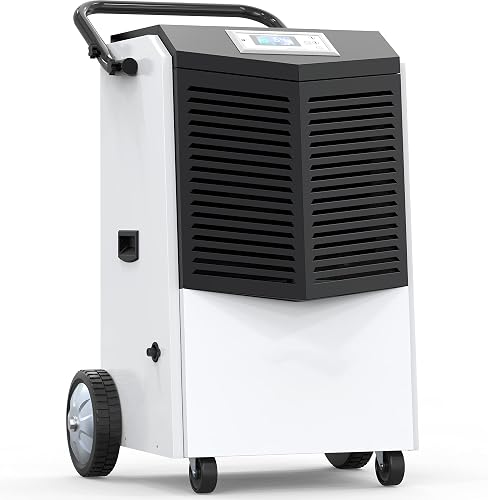
Price on Amazon: $895.00 | 4.3 stars from 145 ratings (checked October 12, 2026)
The COLZER 232 Pint is a large industrial unit with a drain hose. It has a 4.3 rating from 145 ratings, so the review base is small.
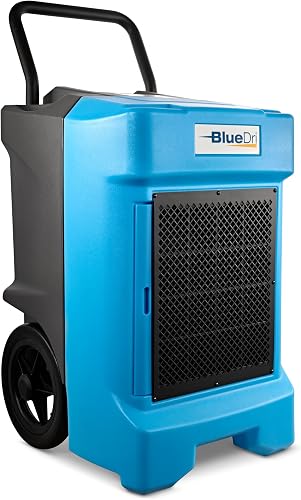
Price on Amazon: $1,199.00 | 3.6 stars from 168 ratings (checked October 12, 2026)
The BlueDri BD-BD-130-BL has an automatic water pump and weighs 97 pounds, per the listing. It has a 3.6 rating from 168 ratings.
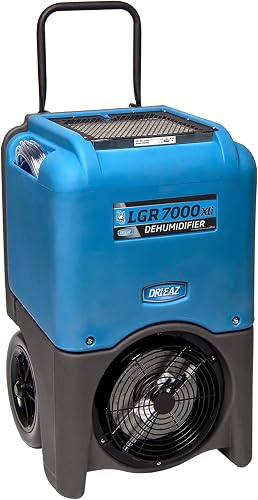
Price on Amazon: $3,525.00 | 4.0 stars from 34 ratings (checked October 12, 2026)
The Dri-Eaz LGR 7000XLi is a restoration-grade unit rated at up to 29 gallons a day, per the listing. It has a 4.0 rating, but only 34 ratings, and the price is about 7 times that of the Sentinel.
The risk to watch is overbuying. A 232-pint machine in a small damp basement can over-dry the space, run up the power bill and wear out the compressor from short cycling. Expect more listings that promise commercial grade on small home units. Check the real AHAM rating, the pump and the warranty, not just the headline number.
Power, Noise and Weight
Expect a commercial unit to be loud. It pulls more power than a home unit, and a fan that size is not quiet. Many weigh close to 100 pounds, like the BlueDri at 97 pounds, so plan where to roll it. Plug it into a dedicated outlet, not an extension cord, and use the hose or pump to drain it so you never empty a bucket.
Which One Fits Which Job
- Crawl space. The Sentinel HD55 or the 180 PPD. See our list of crawl space dehumidifiers.
- Flooded room. A 180 to 232 pint unit with a pump, for a week or two.
- Wet basement. A home unit is usually enough, see best dehumidifiers for basements.
- Garage or workshop. Any of these, if you can live with the noise.
For a big basement that needs a bigger machine, read our reviews of the AlorAir 198PPD and the AlorAir LGR 85.
FAQ
Can you use a commercial dehumidifier in a house?
Yes, in a crawl space, basement or garage. It is loud for a living room.
Is a commercial unit better than a home unit?
It is tougher and moves more water, but it costs more and makes more noise. Most homes do not need one.
What does LGR mean?
Low grain refrigerant. The unit pre-cools the air to keep removing water when the air is already dry.
Final Word
Buy a commercial unit for a commercial problem. For a damp crawl space, the Sentinel HD55 is a strong start. For a plain damp room, a regular home unit is quieter and cheaper.
What happens next: expect smarter controls, better pumps and longer warranties in this class. For most homes, a commercial unit is a tool for one job, a wet crawl space or a flood cleanup, and not a daily living room fixture.
Related Guides
Keep going with crawl space dehumidifiers, AlorAir 198PPD review, AlorAir LGR 85 review, how to choose the right size dehumidifier and best dehumidifiers for basements.