
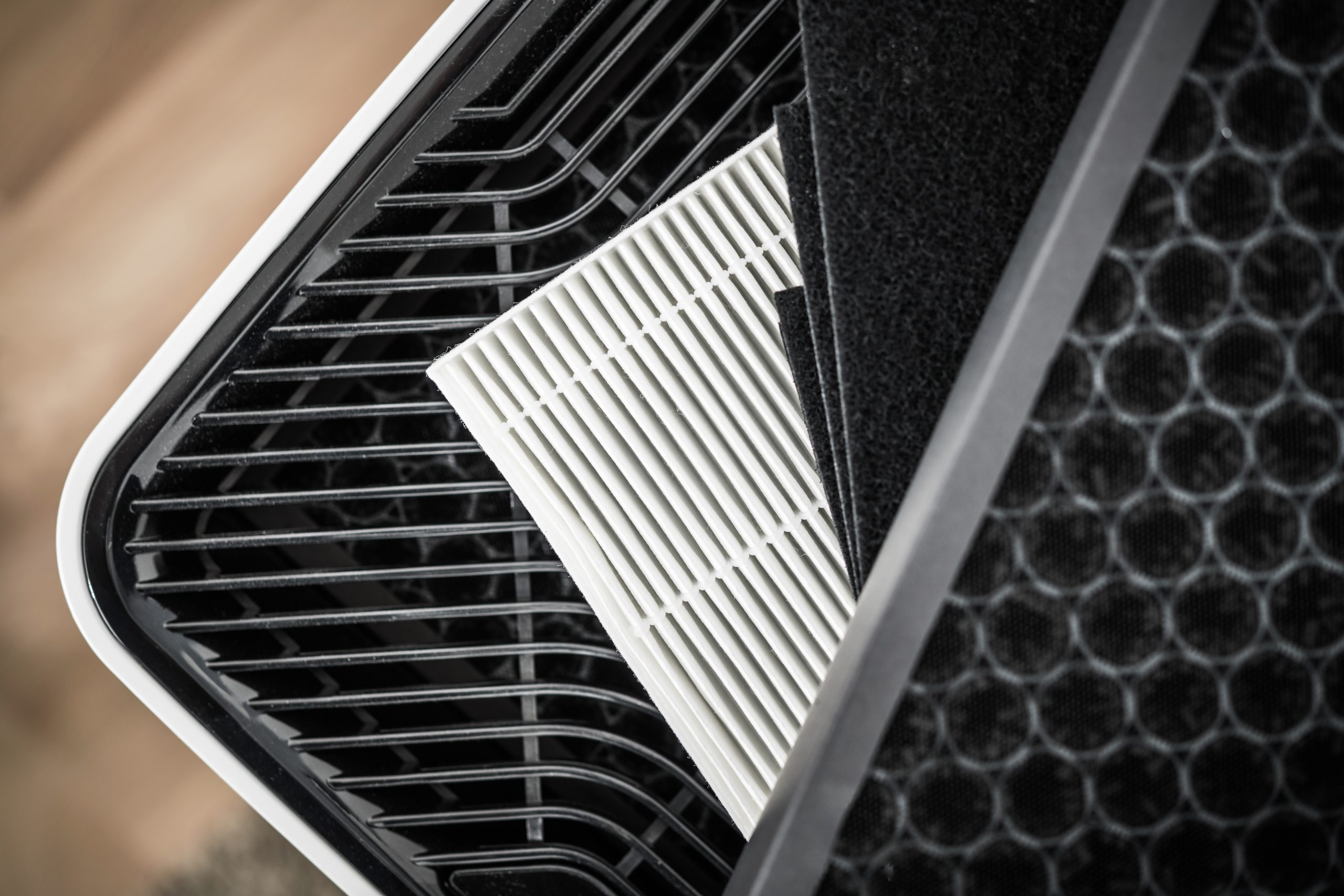
HEPA (High-Efficiency Particulate Air) filters capture 99.97% of particles 0.3 microns or larger through mechanical filtration. Air passes through tightly woven fiber sheets (fiberglass), trapping dust, pollen, mold spores, and pet dander. HEPA filters cannot remove gases or odors (requires activated carbon). True HEPA certification requires meeting strict EPA standards. Filters need replacement every 6–12 months depending on use.
This HEPA guide reflects current EPA filtration standards and mechanical air filter technology as of 2026. Efficiency claims verified against certified HEPA specifications.
HEPA filters are the gold standard of air purification, but what are they really, and why do they work so well? Understanding the mechanism helps you make smarter purifier choices.
Table of Contents
HEPA Filtration Technology
| Aspect | Details | Effectiveness |
|---|---|---|
| Particle capture | 99.97% at 0.3 microns | ⭐⭐⭐⭐⭐ |
| Material | Fiberglass fibers, tightly woven | ⭐⭐⭐⭐⭐ |
| Gas/odor removal | None (requires activated carbon) | ⭐⭐⭐ |
| Lifespan | 6–12 months typical use | ⭐⭐⭐⭐ |
| Noise/airflow impact | Slightly higher resistance | ⭐⭐⭐⭐ |
FAQ
Is True HEPA different from HEPA-like?
Yes. True HEPA is certified to EPA standards (99.97% capture). “HEPA-like” or “HEPA-type” filters are weaker. Always verify “True HEPA” on specs.
Can HEPA remove odors?
No. HEPA captures particles only. Odors require activated carbon filters. Best purifiers combine HEPA + carbon.
How do I know if my HEPA is clogged?
Reduced airflow, increased noise, or longer purification times signal a clogged filter. Replace it regardless of elapsed time if performance drops.
Bottom Line
HEPA filters are the most effective mechanical air filtration available. Combine with activated carbon for complete purification.