
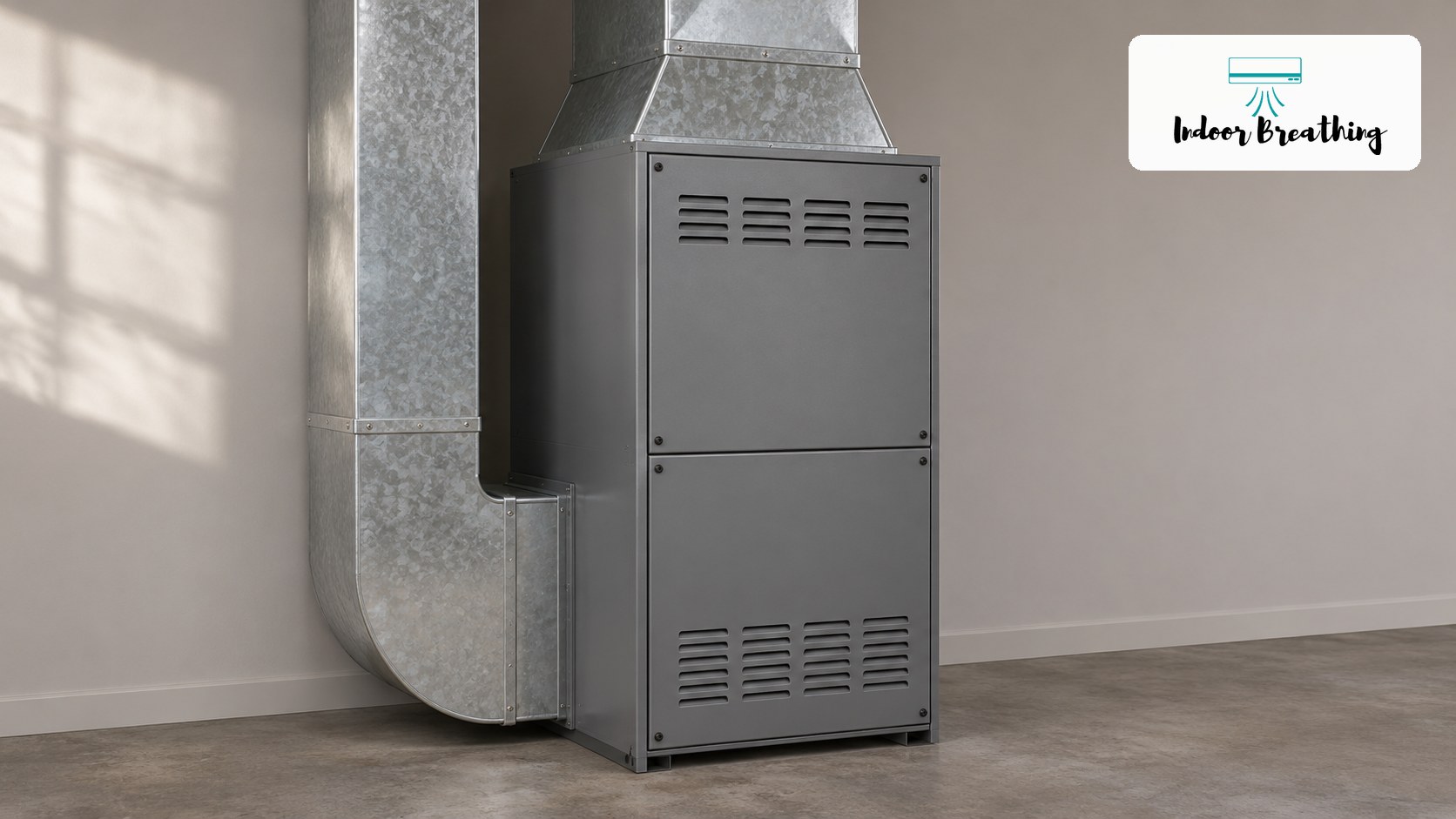
Your furnace fires up. Two minutes later, it quits. Then it tries again. Congrats, your heating system is now a toddler refusing a nap, and the living room has made exactly zero progress toward cozy.
The trade name for this is short cycling. The furnace starts, stops early, and repeats. Most of the time the cause is boring and cheap. Sometimes it is a safety switch doing its job. Seven suspects below, ranked roughly from “fix it before lunch” to “call someone with a van.”
Table of Contents
First, is it really a problem?
A furnace is supposed to shut off when the house hits the setting. Short runs on a mild fall day? Normal. The blower coasting for a minute after the flame goes out? Also normal. There is no magic number of minutes that proves something is broken.
The clue is the pattern. Does the room reach the setting before the furnace stops? Do you hear it try, click, and quit with no heat? Does warm air flow, then turn cool? Write it down. That note is worth more to a technician than “it keeps doing that thing.” This guide covers forced-air gas furnaces. Electric furnaces have no burners or flame sensors, so a few items below do not apply.
Quick map: what you see and what it may mean
| What you notice | Likely suspect | First move |
|---|---|---|
| Runs a few minutes, quits, warm air fades | Overheating from poor airflow | Check filter, returns and vents |
| Room is warm enough, then it stops | Thermostat or normal cycling | Check mode, schedule and placement |
| Flames light, then die in seconds | Flame sensor or ignition | Note any code, call a pro |
| Clicks and tries, no heat | Ignition, gas or venting | Leave the cabinet closed, call a pro |
| Short runs since day one | Oversized furnace | Ask for a load check |
1. The filter is clogged
This is the usual suspect. A dirty filter chokes the airflow, heat builds up inside the furnace, and a safety device called the high-limit switch shuts the burners off. Once things cool, the burners try again. Rinse, repeat, shiver.
Turn the system off and follow the manual to find the filter. If it looks like a gray sweater, swap it for the approved size and type. Do not guess the size: it is printed on the old frame. And do not jump to the thickest filter you can find. More filtration can mean more resistance. Our MERV 13 furnace filter guide covers fit and airflow in plain English.
2. A vent or return is blocked
A fresh filter cannot save you if the couch is parked on the return grille. Returns pull air back to the furnace. Supply registers push the heated air out. Both need room to breathe.
Walk the house. Move the rug, the box, the sofa. Reopen registers that got closed on purpose and forgotten. If you have zoning dampers, leave those alone. Weak airflow at every vent points to the blower or ducts, and that is a job for a pro. One cold bedroom is a separate problem, so tell the tech which one you have.
3. The thermostat ends the call early
Sometimes the furnace is fine and the thermostat is fibbing. Check that it is in Heat mode, that the schedule matches what you expect, and that the batteries are fresh if it uses them. If only the fan seems to run at odd times, see whether it is set to On instead of Auto.
Placement matters too. A thermostat in a sunny spot, or next to a warm register, thinks the whole house is toasty. Did the problem start after a thermostat swap? That points to setup or wiring. Have the installer check it. A cheap room thermometer placed away from vents and windows shows what the house really feels like. More options in our thermometer picks and hygrometer guide.
4. The furnace cannot confirm a flame
Gas furnaces carry a small rod called a flame sensor. Its only job is to say, “yes, there is fire.” If it cannot see flame, the control shuts the gas off. That is a good thing. The burners light, run a few seconds, and quit. Dirty sensor, weak ignition or a gas supply problem can all look the same from the couch.
Do not open the cabinet to find out. If you can see a fault code through a viewing window or on the thermostat, write it down. A code gives the technician a starting point. It is not a shopping list for parts.
5. The intake or exhaust is blocked
High-efficiency furnaces often breathe through pipes that run outside. Snow, leaves, a bird nest or ice around the ends can choke them, and a safety switch then stops the furnace. From the ground, look at the pipe ends you can identify. That is as far as it goes.
Do not poke tools into the pipe, take it apart, or bypass a pressure switch. If a vent looks blocked or damaged, stop using the furnace and call for service. A blocked drain for the condensate can cause the same shutdowns on a high-efficiency unit.
6. The blower or limit control needs service
A tired blower moves less air, the furnace overheats, and the limit control trips even with a clean filter. A faulty limit control can also quit early on its own. The timing looks just like a dirty filter, which is why a fresh filter helps as a test but does not clear the furnace.
Tell the tech whether air was moving strongly before the shutdown, and whether the blower kept running after the heat stopped. Then ask them to confirm why it shut down before swapping any safety switch. A part replaced without a cause is a part that fails again.
7. The furnace is oversized
Bigger is not better. A furnace that is too big heats the house fast, hits the setting, and shuts off. Then it does it again. Rooms end up uneven, and the whole system wears faster.
This is a better lead if short runs have happened since installation and the thermostat does reach its target. A furnace that used to behave and suddenly does not points to a fault first. Before paying for a replacement, ask a contractor to check your home’s heating load and the equipment setup. The size of the old furnace alone does not tell you what your house needs.
What is worth buying?
Short cycling is mostly a free or cheap fix. Here is the short shopping list. Check the size on your old filter and the manual before ordering.
Prices change. Tap a row to check the current price on Amazon.
Filtrete 20x25x1 MPR 1900: the quick swap
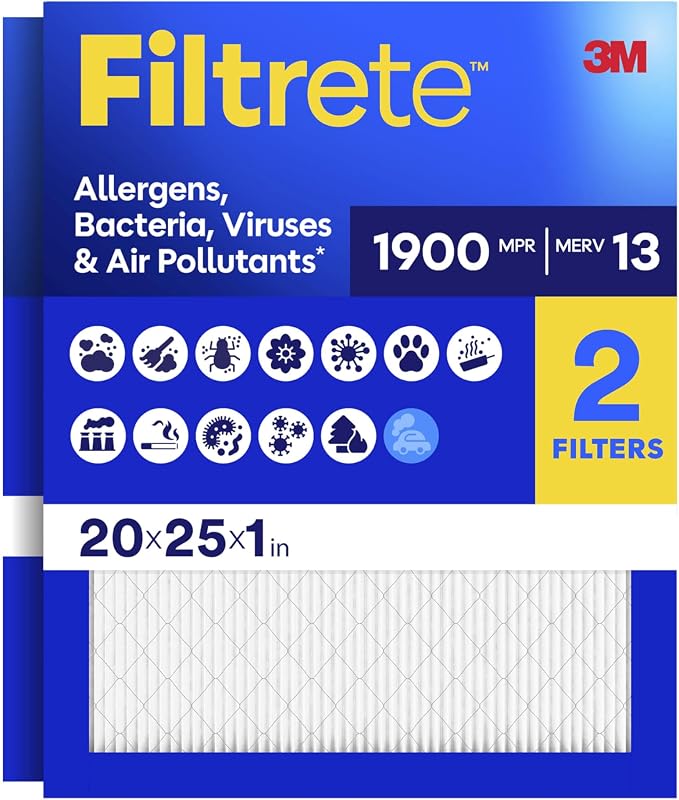
If your furnace takes a standard 20x25x1 filter and the old one looks rough, this is a simple swap. A two-pack means the next change is already in the closet. Confirm the size first, because a filter that does not fit lets dust slip past the edges.
Filterbuy 20x25x1 MERV 13: the stock-up option
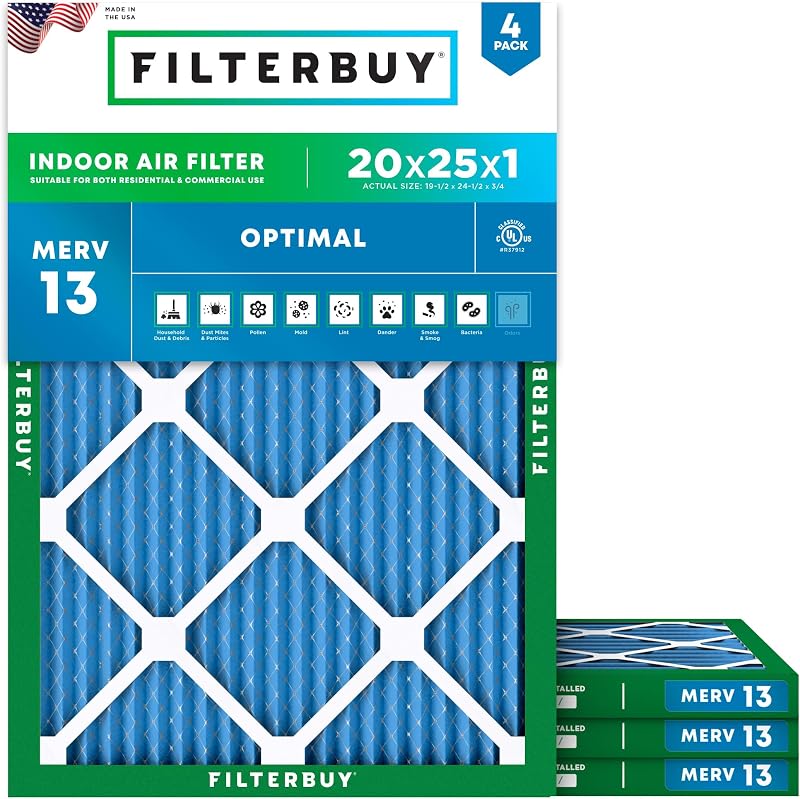
A four-pack covers a good chunk of the heating season. It suits people who like to set a calendar reminder and forget about it. Same rule as before: match the size, and do not move to a higher rating unless the furnace manual allows it.
TempPro TP50: a $10 reality check
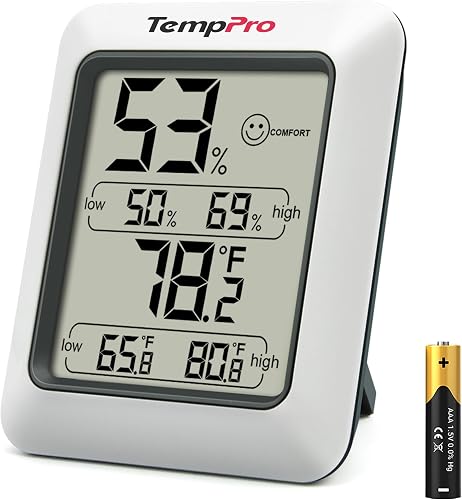
This small gauge reads temperature and humidity. Park it in a room away from vents and sunlight, and you can see whether the house actually reaches the setting. It will not fix a furnace. It will give you real numbers for the technician. Use a thermometer you already own if you have one.
Kidde COBD: not optional with gas heat
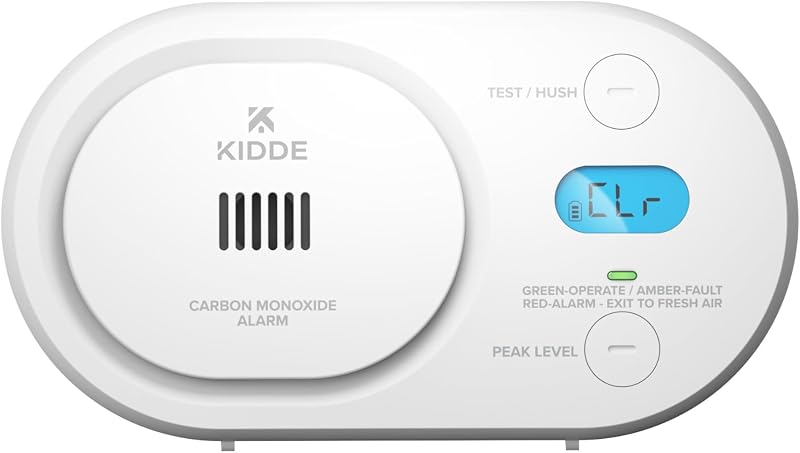
Any home with a gas furnace needs working carbon monoxide alarms. This battery model is the basic option. Test it on the schedule in its manual. If one is old or has no date on it, replace it. Dry air also makes the house feel colder than the thermostat says, so see our dry air symptoms guide and humidifier size calculator if the house feels chilly even when the furnace runs.
When to stop troubleshooting
If quick shutdowns continue after the basic checks, stop using the furnace and book service. Do not keep resetting a lockout. A furnace that resets itself is telling you something. Listen.
If a carbon monoxide alarm sounds, get everyone outside right now and call 911. If you smell gas, leave without touching switches and call your gas utility or 911 from outside. Those two come before any troubleshooting. Odd smells with the heat on? See furnace burning dust smell and 3 heating smells that mean your home is making you sick.
Heat pump instead of a furnace? Different system, different checks. See heat pump blowing cold air and why AUX heat is on. More guides live in our heating section.
When you call for ordinary service, share three things: whether the thermostat reached its target, roughly how long the heat lasted, and what changed recently. That turns a 20-minute guessing game into a 5-minute fix.
Quick answers
Is furnace short cycling dangerous?
It can be a sign of a safety control doing its job, and it wears parts faster. If the furnace keeps shutting down, stop and call for service rather than resetting it again and again.
How often should a furnace turn on?
It depends on the weather, the house and the equipment. On a cold day, longer runs with breaks are normal. A pattern of very short runs that never warm the house is the warning sign.
Can a dirty filter really do all this?
Yes. It is the most common cause. A clogged filter lets heat build up until the high-limit switch shuts the burners off. Replacing it is the cheapest first test.