
Buying an air purifier is just the start. Keeping it running at peak performance requires basic maintenance—and most people don’t do it right, which means they end up with a purifier that looks clean but isn’t actually filtering anything.
The biggest mistake? Running a purifier with a clogged filter for months and wondering why the air still smells bad. A clogged filter doesn’t just reduce performance—it can actually damage the motor over time.
Here’s how to keep your air purifier working like new and when to replace filters.
Table of Contents
Air Purifier Maintenance Guide
Filter Replacement Schedule
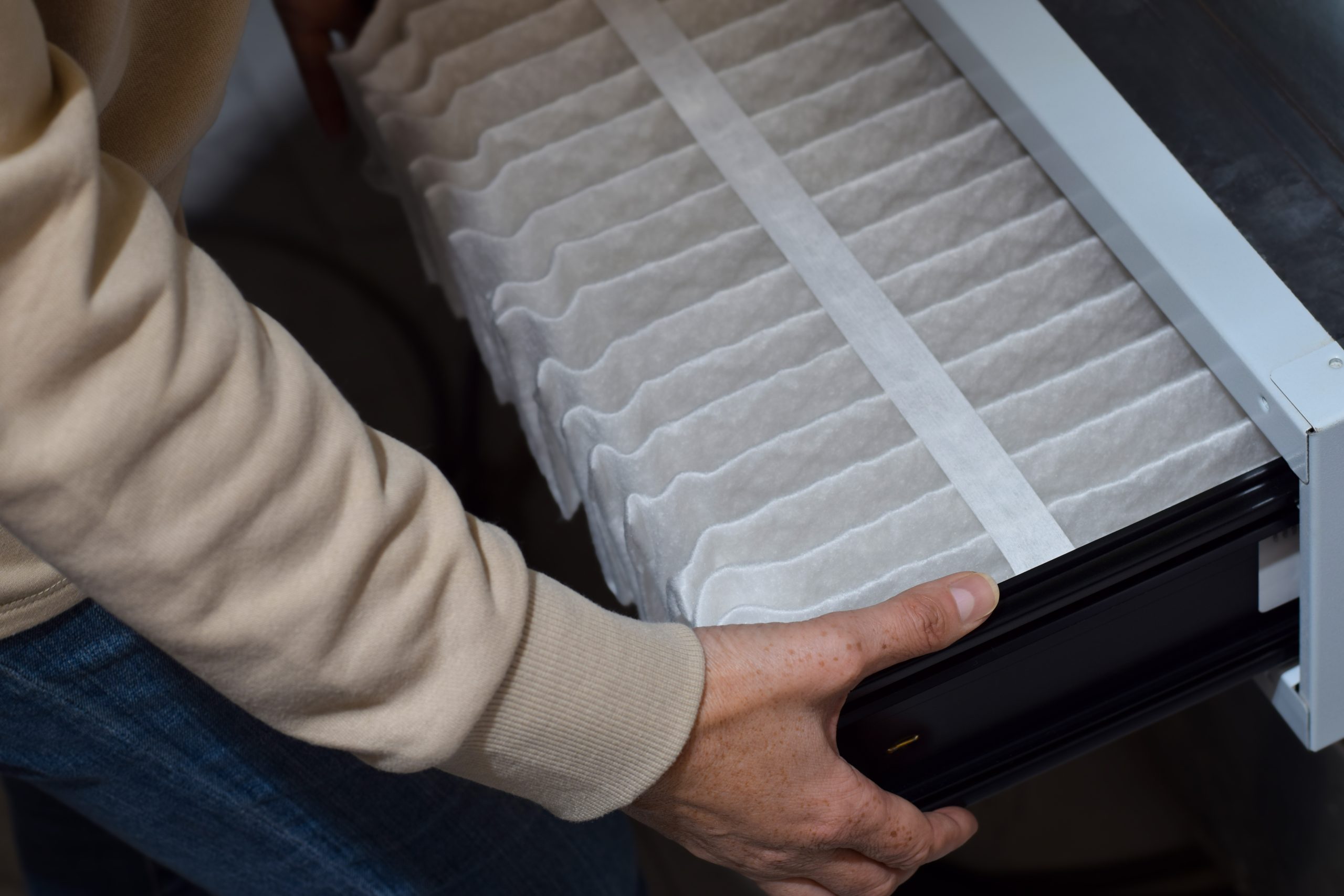
Most HEPA filters last 6–12 months. Carbon filters clog faster—usually 3–6 months. Pre-filters can be washed and reused (so they last years), but the HEPA and carbon cartridges need actual replacement.
Your purifier’s display should show a filter indicator light or air quality reading. If the light is red or the app says “replace filter,” don’t wait. A clogged filter does almost nothing and stresses the motor.
Budget for filters: Most replacement filters run $30–80 per cartridge, with some premium models costing $100+. Factor this into your annual air quality budget—it’s often more than the electricity cost to run the purifier.


Cleaning and Maintenance
Wash the pre-filter monthly under running water. Just rinse it—don’t use soap, which can clog the mesh. Let it air dry completely before reinstalling. This one step extends your HEPA filter’s life significantly.
Wipe down the purifier’s exterior and intake vents with a dry cloth. Dust buildup on the vents reduces airflow, which hurts performance. Do this every 2–4 weeks depending on your home’s dust level.
Never wash the HEPA or carbon filters. You can’t clean them effectively—they’re designed to be replaced, not recycled.
Placement for Best Performance
Where you put your purifier matters more than people think. Place it in a central location where air can circulate freely—not crammed in a corner or blocked by furniture.
Keep the intake (usually the back or bottom) clear and at least 6 inches from walls. The outlet (top) should have space above it so clean air can distribute. Poor placement cuts effectiveness by 30–50%, even with a great filter.
If you’re using a purifier in a bedroom, place it 3–4 feet from the bed so the fresh air flow doesn’t blow directly on your face while sleeping.
Signs Your Filter Needs Replacement
Visual: Open the purifier and look at the filter. If it’s visibly gray or black with dust, it’s past time to replace it. A healthy filter should be white or light gray.
Airflow: If the purifier’s fan is getting louder or you feel less air coming out, the filter is clogged. Replace it.
Smell: If odors aren’t being removed as quickly as they used to, the carbon layer is saturated. Time for a fresh filter.
Indicator light: Most modern purifiers have a filter indicator light (usually red/orange when replacement is due). Trust it.
Final Word
Air purifier maintenance is simple but critical. Wash the pre-filter monthly, watch the filter indicator, and replace cartridges on schedule. The difference between a well-maintained purifier and a neglected one is enormous—and it only takes 10 minutes a month.
For specific model guidance on filter types and replacement costs, see our filter types guide and buying guide.