
Your thermostat says Heat. Your vents say Frozen Tundra. Cue the panic, and the mental math on a $9,000 repair bill.
Breathe. A heat pump blowing cool air is, more often than not, doing exactly what it was built to do. Sometimes the fix costs $0. Sometimes it does not. This guide sorts the shrug-worthy causes from the call-someone ones.
The quick answer: check the room temperature first, the thermostat settings second, and the filter and outdoor unit third. If the house is still losing heat after that, book a pro. That is the whole plan.
Table of Contents
First, run the 60-second test
Grab a thermometer. Read the air at a vent, then read the air in the room. Is the vent air clearly warmer than the room? Then the system is working, it is just not a furnace. Is it the same, or colder? Now it is a real problem.
Also note when it happens. Brief and now-and-then? Probably normal. Constant, and the house is getting colder? Keep reading.
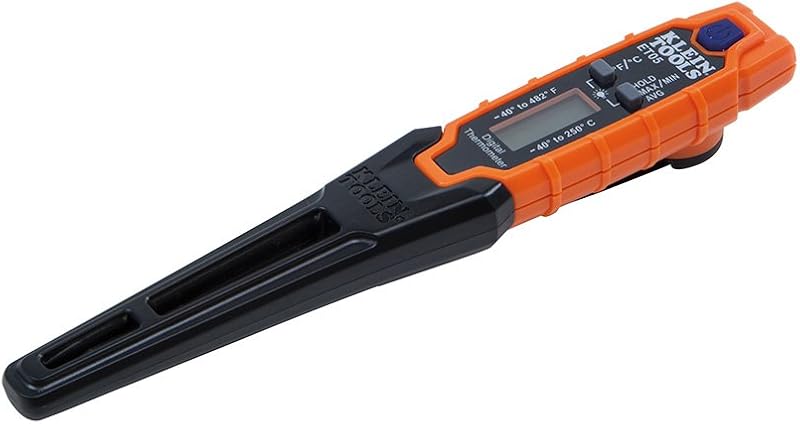
The Klein Tools ET05 is a $15 pocket thermometer with a probe, a backlit screen and a max/min hold. It is the cheapest honest answer to the question “is this air actually warm?” Your hand is a lousy thermometer. A heat pump’s air is gentler than a gas furnace’s, and anything under body temperature feels cool on skin.
Quick map: cause, clue, fix
| Cause | Clue | Fix |
|---|---|---|
| Gentle heat | Air feels cool but room holds temp | Nothing. Trust the room number. |
| Fan set to On | Cool air between heating cycles | Switch fan to Auto |
| Defrost cycle | Short cool blast, steam outside | Wait it out |
| Dirty filter, blocked vents | Weak airflow | Swap filter, open vents |
| Ice or debris outside | Ice on the unit, leaves around it | Clear loose debris, call if ice stays |
| Backup heat not working | House cools on cold days | Call a pro |
| Refrigerant or valve fault | Cool air all the time | Call a pro |
1. The air is warm, just not hot
Heat pumps run lower and slower than furnaces. Their air can be 90-something degrees, which feels cool on a 98.6 degree human. That is not a defect. That is Tuesday.
Fix: watch the room, not the vent. If the house holds its setting, the system is fine. There is no single vent temperature that fits every model, fan speed and cold snap.
2. The fan is set to On
Here is the sneaky one. With the fan on On, the blower runs nonstop. Between heating cycles, it pushes room-temperature air through the vents. Feels like the heat quit. It did not. It just clocked out for a break while the fan kept working.
Fix: set the thermostat to Heat, set the target a couple of degrees above the room, and switch the fan to Auto. If this started right after a new thermostat, tell the installer. Heat pump wiring and setup need checking. Do not poke around the installer menu hoping for luck.
3. It is defrosting
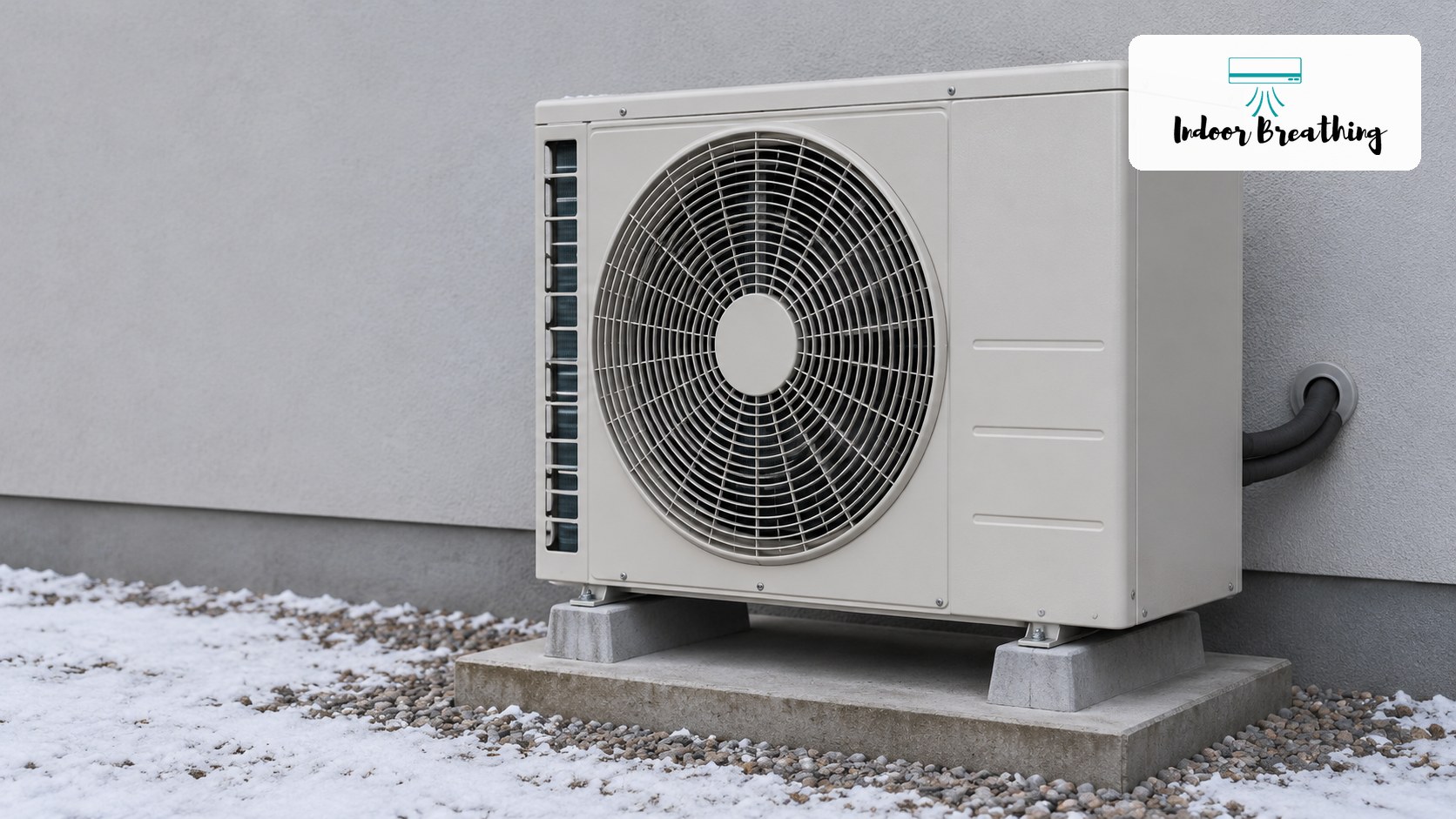
Cold, damp weather frosts the outdoor coil. To melt it, the system flips into reverse for a few minutes. Indoors, you may feel cooler air, or the indoor fan may pause. Outside, you may see steam. Looks alarming. It is normal.
Fix: wait a few minutes and see if normal heat comes back. Defrost that drags on, ice that sticks around, or a house that keeps cooling means service. Some systems use backup heat during defrost to cover the gap. See our guide on why AUX heat comes on if that light is part of the story.
4. The filter is clogged or the vents are blocked
A packed filter makes the system work harder to move less air. Less air, less heat. A couch parked on a return vent does the same thing.
Fix: turn the system off, check the filter, and replace it with the right size and type. Keep supply vents open and returns clear. Do not grab the thickest filter on the shelf. A higher rating can restrict airflow, so check what your system can handle. Our MERV 13 filter guide covers fit and airflow.
5. The outdoor unit is buried or iced over
Leaves, snow and junk around the unit choke its airflow. A thin frost that clears is fine. A unit wrapped in ice like a popsicle is not.
Fix: from a safe distance, clear loose debris around the unit. Do not reach through the grille. Do not chip ice. Do not pour hot water on it. If ice threatens the fan or heating stops, shut the system off at the thermostat and call for service.
6. Backup heat is not backing up
On very cold days, or during defrost, some systems lean on backup heat. If that backup is off, set up wrong, or broken, the house cools even though the system runs all day. Not every heat pump has electric strips, so check your own setup.
Fix: note any AUX message and whether the room is cooling. Ask a pro to check the staging, the backup and the power. A breaker that keeps tripping is a message. Do not keep resetting it.
7. Refrigerant or reversing valve trouble
Low refrigerant cuts heat transfer. A stuck reversing valve keeps the system from switching to heating. Both look like simpler problems. Cold air alone cannot tell you which part failed.
Fix: this one is for a licensed tech. Refrigerant does not get used up, so low charge usually means a leak or a charging mistake. The right move is to find the cause, not just top it off. Leave refrigerant, electrical tests and valve repairs to the pros. This is where the screwdriver stays in the drawer.
A $10 helper for the paper trail
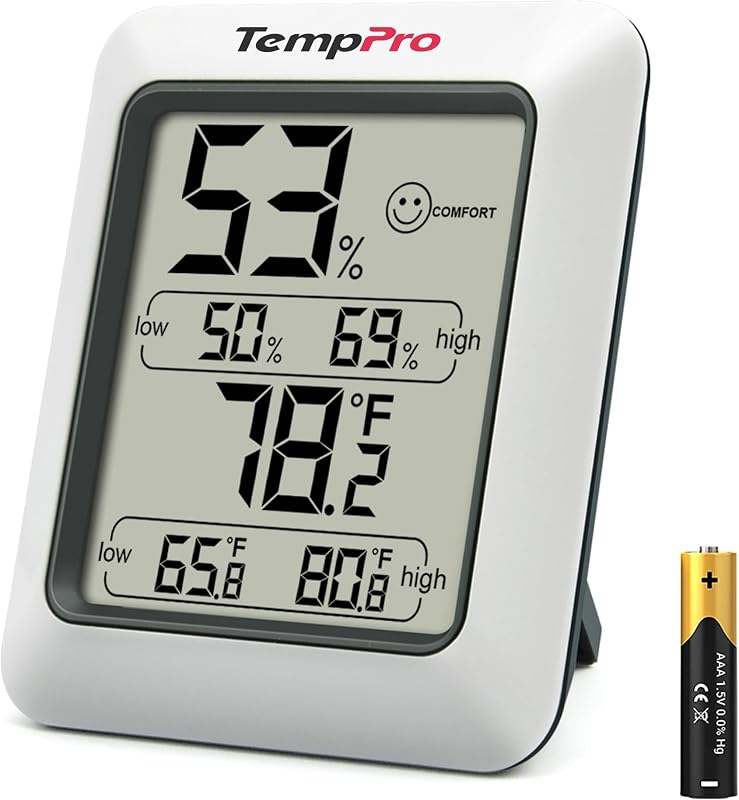
Techs love notes. A small room thermometer and hygrometer, like the $10.99 TempPro TP50, shows how fast the room cools and where the humidity sits. Keep it away from direct airflow and sunlight. It cannot diagnose a refrigerant leak. It can settle the argument about whether the house really got colder. More options are in our indoor and outdoor thermometer picks and indoor hygrometer guide.
When to stop and call someone
Book service for ongoing cold air, a falling room temperature, ice that will not clear, repeated breaker trips, or strange mechanical noise. Hand over your notes and the model number. Skip opening the cabinets to collect evidence.
Safety first: if there is smoke, sparking, a gas smell, or a carbon monoxide alarm, leave the house and call emergency services or the gas company from outside. That beats any troubleshooting. See 3 heating smells that mean your home is making you sick and when a burning dust smell is normal.
In the meantime, keep the house livable. Check the space heater size guide and the most efficient space heaters for a stopgap, and use it safely. More heating help lives in our heating section and HVAC hub.
The bottom line
Start with the cheap stuff: the room temperature, the thermostat, the filter, the outdoor unit. Those checks cost almost nothing and hand a tech good clues. A heat pump that will not heat the house needs a diagnosis, not a shopping spree.
Quick answers
Is it normal for a heat pump to blow cool air?
Sometimes. During defrost, or when the air is warm but under body temperature, it can feel cool. If the room is losing heat, it is not normal.
Should the fan be on Auto or On?
Auto, for most homes. On runs the blower between cycles and pushes unheated air through the vents.
Why is there steam coming off the outdoor unit?
That is usually the defrost cycle melting frost. If it never stops, or ice keeps building, call for service.