

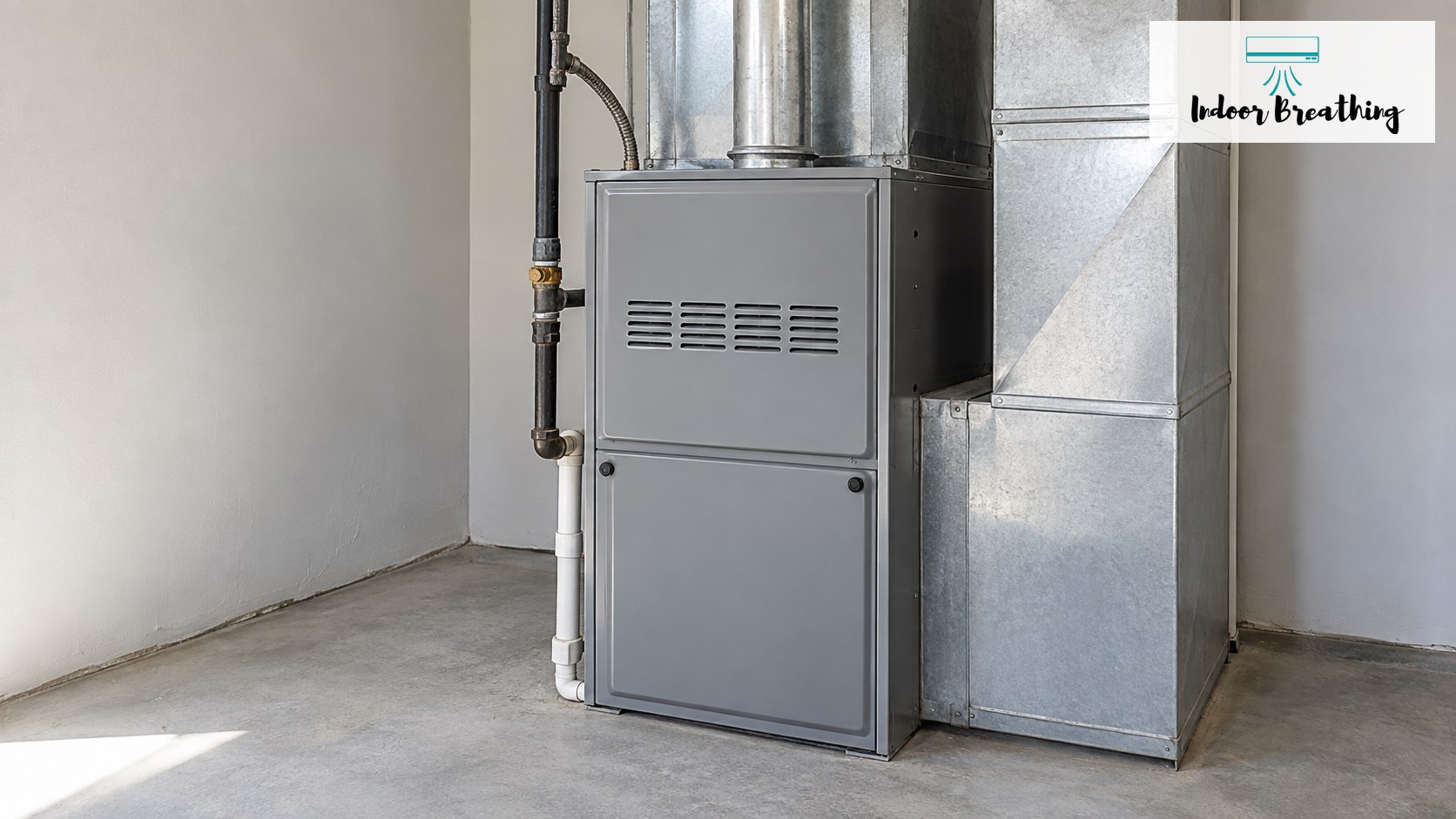
The heat clicks on. Then comes a smell. Now you are standing in the hallway, sniffing like a bloodhound, wondering: is that harmless dust, or is the house trying to tell you something?
Good news: your nose is a decent smoke detector for three smells. Bad news: it is a terrible detector for the scariest one, because carbon monoxide has no smell at all.
Quick answer: rotten eggs means leave. Burning plastic means shut it down and call a pro. A stubborn musty smell means find the water. A smell alone cannot prove your home is making you sick, but each of these three points to a problem worth fixing.
Table of Contents
3 Heating Smells at a Glance: What to Do Next
| Smell | What it might mean | Your move |
|---|---|---|
| Rotten eggs or sulfur | Possible natural gas leak | Leave now. Call from outside. |
| Burning plastic or electrical | Overheating part or wiring | Stop using it safely. Call an HVAC pro. |
| Musty, damp, “wet basement” | Moisture or possible mold | Find the water source. Do not mask it. |
An odor is a clue, not a diagnosis. The goal is to pick the safe move first and name the problem second.
1. Rotten Eggs or Sulfur: Treat It Like a Gas Leak
Natural gas has no smell on its own. Utilities add a rotten-egg scent on purpose so people notice a leak. If that smell shows up near the furnace, a gas pipe, or any gas appliance, do not investigate.
- Get everyone out, pets too.
- Do not touch the thermostat, light switches, or plugs.
- Do not use a phone inside, light a flame, or try to relight anything.
- Call 911 and the gas company from outside.
Do not stop to shut off the furnace. A harmless-looking switch can make a spark. Getting out beats everything else, and the explanation can wait.
One more thing worth knowing: a gas smell and carbon monoxide are two different hazards. A CO alarm does not detect a natural gas leak, and a gas detector does not always detect CO. Read what a device actually detects before trusting it.
2. Burning Plastic or Electrical Smell: Not Dust
A sharp plastic, rubber, or electrical smell is the furnace waving a red flag. It can point to overheating wiring, a failing motor, or another part running too hot. Smoke, sparks, flames, or a fire alarm? Leave and call 911 from outside. No panels to open, no repairs to try.
No smoke and no gas smell? Stop using the system if you can do it safely, and book service. Keep it off until a technician clears it. The tempting move is to switch it back on “just once” to see what happens. Do not. That experiment can turn a small fault into a big one.
Not sure whether it is plastic or just warm dust? Our furnace burning dust guide walks through the harmless startup smell, how long it should last, and when to stop waiting.
Tell the technician what you noticed without recreating it: when it started, whether it got stronger, whether it reached other rooms, and whether you heard odd noises or saw weak airflow.
3. Persistent Mustiness: Find the Water, Not a Perfume Fix
A musty smell when the blower kicks on usually means moisture. It might come from the ductwork, a damp basement, wet insulation, or a leak somewhere nearby. Smell alone cannot say where, and it cannot prove mold is present.
Mold can cause allergic reactions and irritation, and it can trigger asthma attacks in people who are sensitive to it. That does not mean every musty room makes every person sick. Symptoms and exposure vary.
Here is the key question: where is the water coming from? A roof leak, a plumbing leak, a wet wall, or poor drainage all need their own fix. Spraying a fragrance into the vents just hides the clue.
If the HVAC system itself is known or suspected to have mold, do not run it, because it can spread spores through the house. Get the system and the moisture source checked. Do not spray cleaners into the vents or pull ducts apart to sniff them.
For a safe first look, check visible stains or damp spots in rooms you can reach. Keep cabinet panels closed. Then measure the humidity. A cheap hygrometer tells you whether the air stays damp, so you are not guessing. Our guide to monitoring temperature and humidity shows how.
A dehumidifier can help manage humidity in a damp room. It does not fix a leak or clean up contaminated material. When the basement is the culprit, see our best dehumidifiers for basements and the mold health risks guide.
The Smell You Cannot Detect: Carbon Monoxide
Carbon monoxide (CO) is colorless and odorless. Fuel-burning heaters can make it, and a bad vent or a poorly running appliance can let it build up indoors. Your nose will never give the all-clear.
Common signs of CO poisoning are headache, dizziness, weakness, upset stomach, vomiting, chest pain, and confusion. They look a lot like the flu, which is why alarms matter.
If a CO alarm sounds, or anyone feels sick with no obvious cause, get everyone outside and call 911 from there. Do not go back in until responders say so. Do not silence the alarm and go back to sleep. And do not use an air purifier as an emergency response.
Put CO alarms outside sleeping areas and on every level of the home. Test them on schedule and replace them when they expire.
Smart Buys for Heating Season (After the Hazard Is Handled)
Shopping is prevention, not an emergency plan. Leave first when the situation calls for it. Then pick up the tools that make the house safer and easier to keep an eye on.
Prices checked October 2026 and change often.
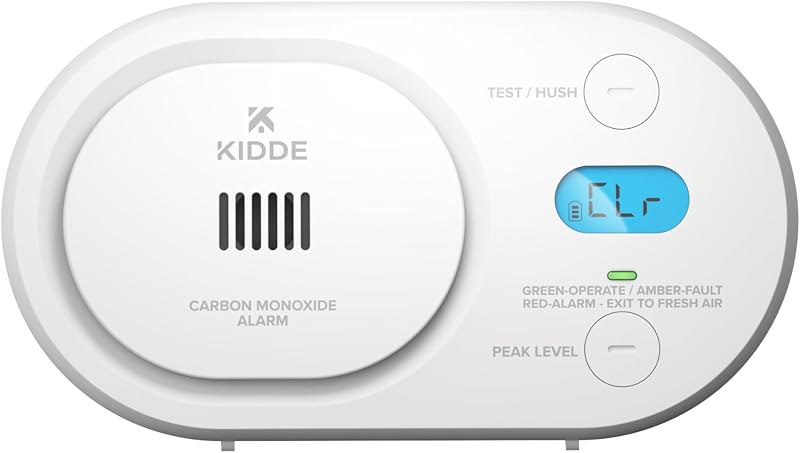
Kidde COBD Carbon Monoxide Detector
A basic AA battery-powered CO alarm for about $30. No wiring, easy to place. Read the install directions before choosing a spot.
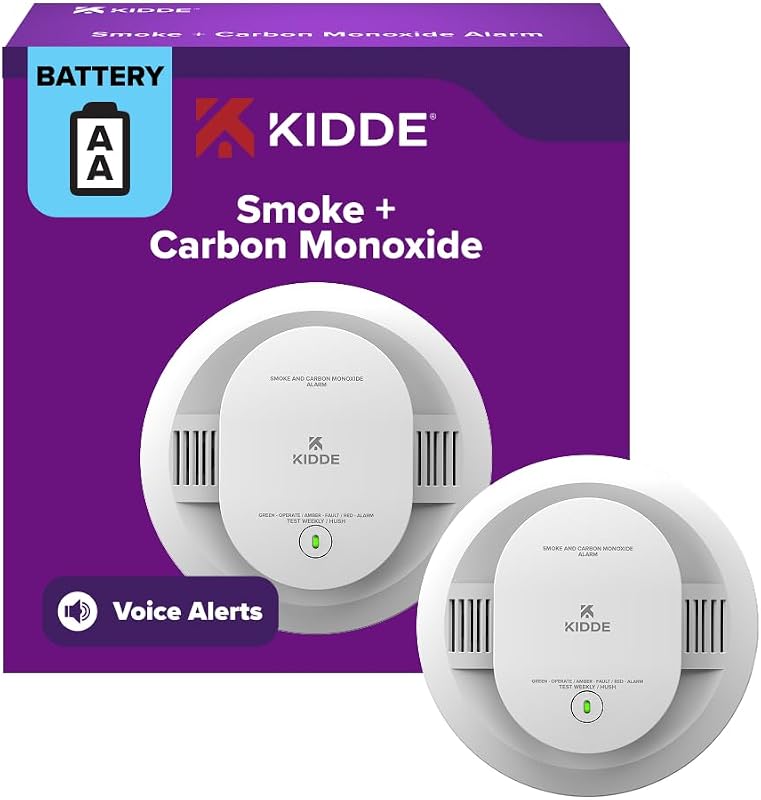
Kidde Smoke & CO Detector (30CUDR-V)
Want both hazards in one unit? This combo covers smoke and carbon monoxide. A CO-only alarm does not detect smoke, so match the device to the protection you need.
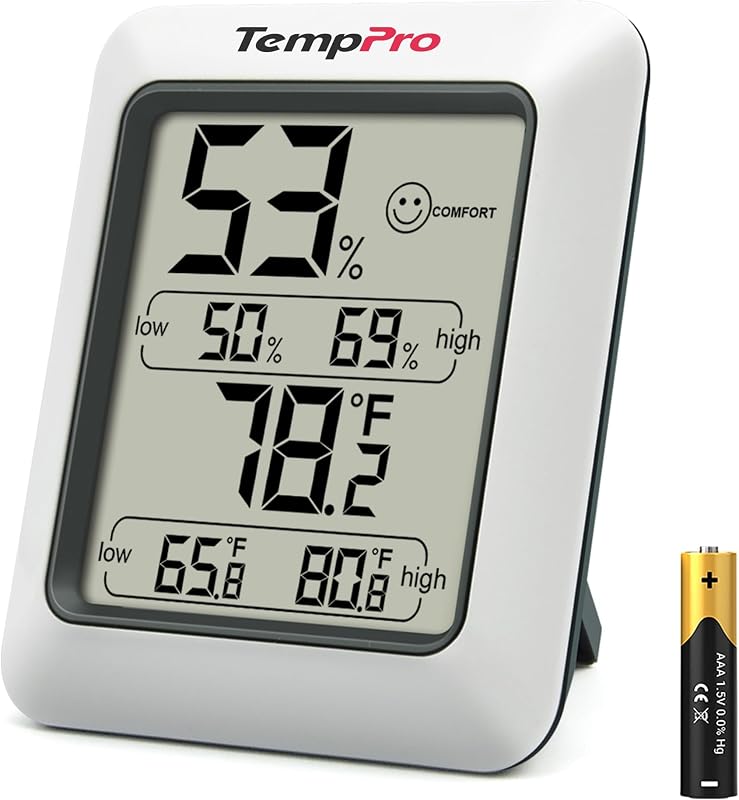
TempPro TP50 Digital Hygrometer
A $10 meter that shows humidity and temperature, with high and low records. It measures humidity only. It cannot detect mold, CO, or gas, but it turns “this room feels clammy” into a number. Over 155,000 Amazon reviews and a 4.6-star average.
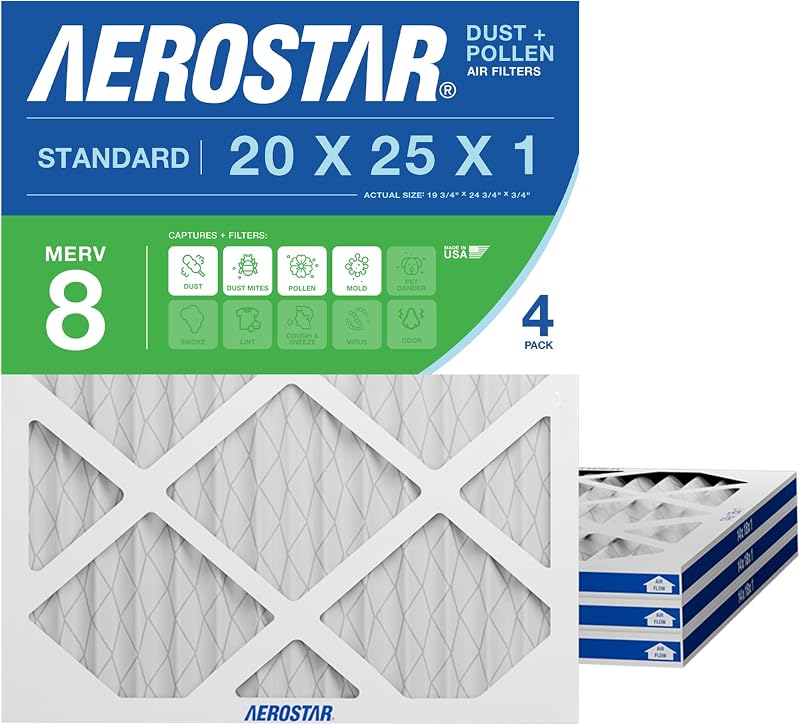
Aerostar 20x25x1 MERV 8 Furnace Filter (4-Pack)
A fresh filter keeps airflow healthy. Size is the catch: 20x25x1 is common, but your furnace may differ, so check the size printed on your current filter. A higher MERV is not always better for every furnace. Check the manual first.
No alarm, meter, or filter makes a hazardous heating system safe to keep using. They help you notice and prevent problems. They do not fix the source.
What to Ask During a Heating Inspection
A good service visit should give you more than “it smells better now.” Ask what caused the odor, what was checked, what was repaired, and whether the system is safe to run.
- Gas or oil heat: ask about combustion and venting checks.
- Electrical smell: ask which part overheated and why.
- Musty smell: ask where the moisture came in and whether any material needs more work.
Ask for the findings in writing. If the contractor says to replace the whole system, ask for the reason and the alternatives. A vague “smells weird” is not a full diagnosis. Renters should tell the property manager after taking any emergency action, and never let a maintenance appointment delay leaving for gas, CO, or fire.
A Calm Prevention Routine for Heating Season
- Service fuel-burning equipment every year with a qualified technician.
- Test CO and smoke alarms on schedule and replace old ones.
- Fix moisture early. A stain that returns after every rain is not decor.
- Swap the furnace filter on schedule. See our filter replacement guide.
- Keep the area around the furnace clear so a tech can reach it.
Do not turn a smell into a shopping race, either. A new purifier or scented spray can feel like progress. The only real progress is finding and fixing the source. Portable air cleaners help with certain airborne particles. They do not protect against gas or CO. Curious about your home’s overall air? See the best indoor air quality monitors.
Frequently Asked Questions
Can a furnace smell make you sick?
Some underlying problems can affect health, but a smell by itself cannot prove a diagnosis or an exposure level. Look into persistent odors and talk to a doctor about symptoms. Treat suspected gas, CO, and fire as emergencies.
Does carbon monoxide smell like rotten eggs?
No. CO has no smell. A rotten-egg odor warns about leaking fuel gas, which is a separate hazard. Do not rely on one detector for both unless it clearly says it detects both.
Can an air purifier remove a dangerous heating smell?
No. An air purifier cannot make a leaking or faulty furnace safe, and particle filters do nothing for gas or CO. Fix the source first.
Should the furnace keep running while a musty smell gets checked?
If the HVAC system is known or suspected to have mold, do not run it. A musty room still needs checking, but the smell alone does not prove the ducts are contaminated.
What if the smell goes away before the technician arrives?
Describe what happened and any other warning signs. Do not restart unsafe equipment just to recreate the smell. A fading smell does not mean the underlying problem is gone.
The Bottom Line: Pick the Next Step, Not the Nearest Excuse
Rotten eggs: leave and get the gas checked. Burning plastic: stop safely and call a pro, and evacuate for smoke or fire. Musty: find the water. And since no smell does not mean no risk, keep working CO alarms in the house.
The goal is not a house that smells like a candle shop. It is heating equipment that runs safely and a problem that is actually fixed.