
Musty smell in the basement. A dark patch behind the bed. A mold test kit for under ten bucks seems like the obvious next move. It is not, and here is why.
The EPA and CDC do not recommend routine mold sampling. If you can see or smell mold, you already know there is a moisture problem, and a test will not change the fix. A DIY kit can still be useful in a few cases. This guide covers the PRO-LAB petri-dish kit that shows up in these searches, what it can and cannot tell you, and what to do instead.
Table of Contents
What the kit includes
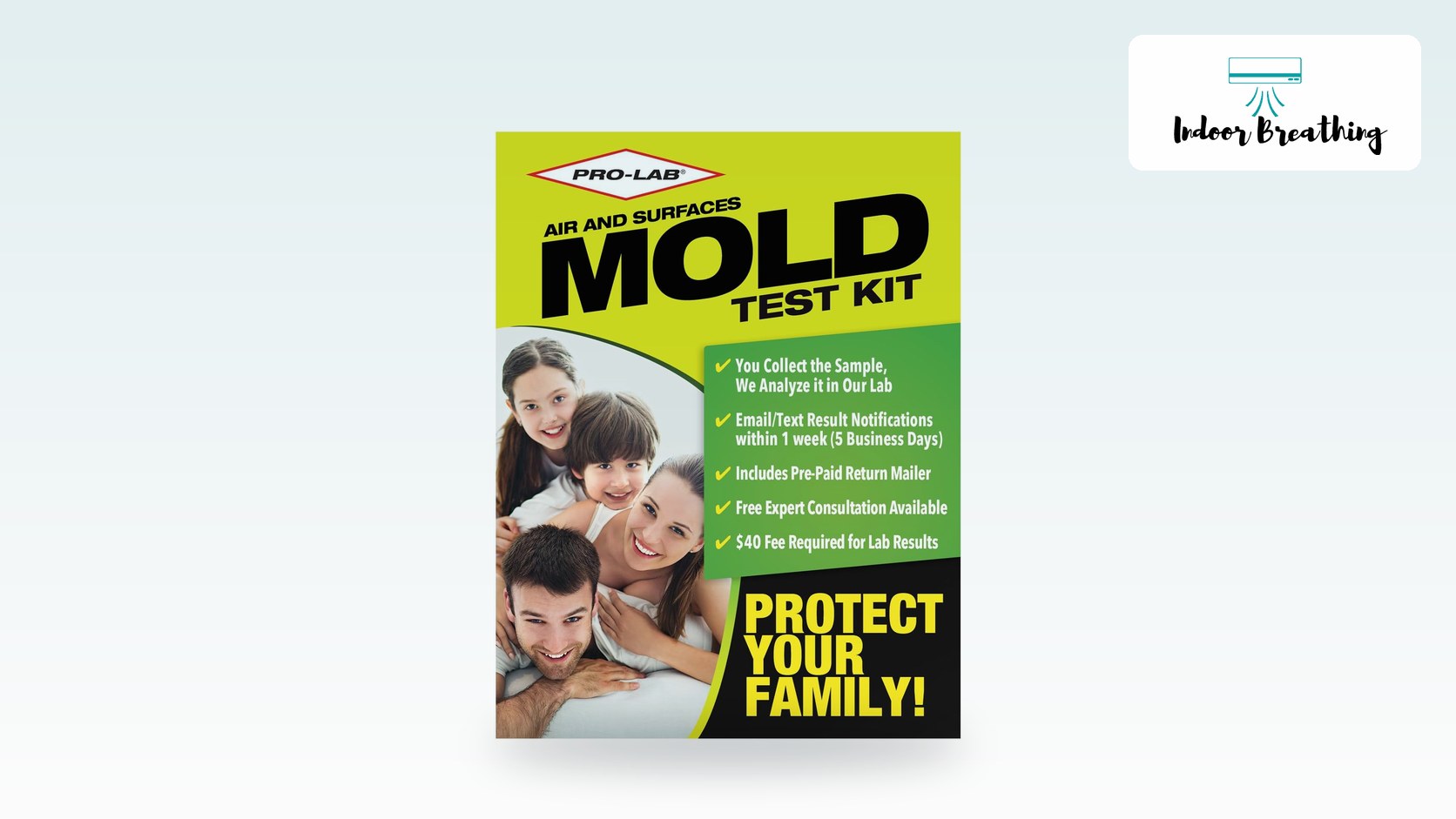
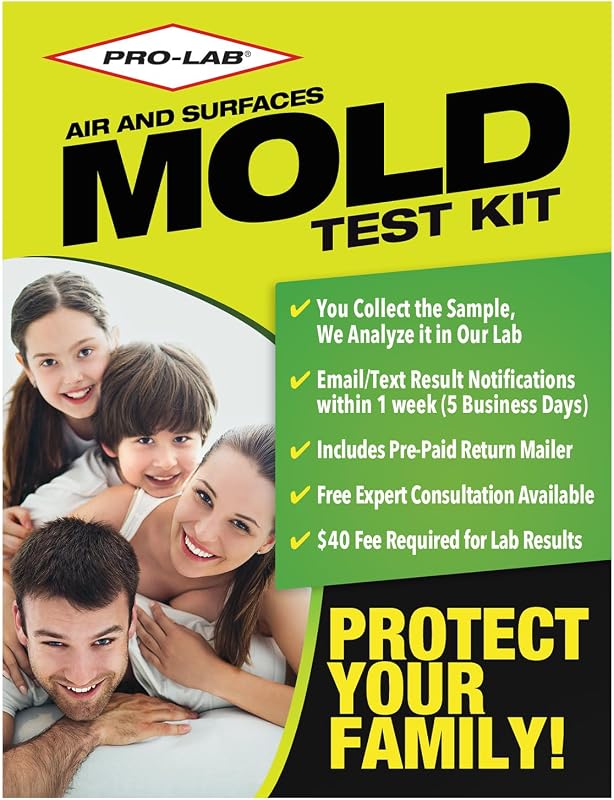
The PRO-LAB mold test kit costs $8.80 on Amazon, with a 3.8-star rating from 1,111 buyers. The listing says it includes a petri dish, a swab and a mold growth medium, and works for air, surface or bulk sampling. Visible results can show in about 48 hours. The title says a lab fee is required, and the bullets describe an optional $40 lab analysis from an accredited lab, so check the exact terms before buying.
| Kit | Methods | Lab | Price |
|---|---|---|---|
| PRO-LAB Mold Test Kit | Air, surface or bulk | Optional or required lab fee; check listing | ~$8.80 |
Prices checked October 2026 and change often.
What a DIY kit cannot tell you
- Mold spores are in the air everywhere, so finding some proves little.
- A single petri dish has no outdoor comparison, so it cannot show if indoor levels are high.
- There are no federal limits for mold, so there is no number to pass or fail.
- Growth on a dish does not say which mold it is or if it is harmful.
Consumer Reports has called these kits unreliable. Sampling is better left to a professional when a real question needs an answer, such as a legal dispute or a health concern.
When a kit can help
- You smell mold but cannot find it, and want a hint about where to look.
- You want a before-and-after check on a cleaned area.
- You need something to show a contractor.
Even then, a visual inspection, a moisture meter and a hygrometer give better information. The EPA says moisture control is the key to mold control.
What to do instead
- Find and fix the water source: leaks, condensation, flooding.
- Dry wet materials within 24 to 48 hours.
- Keep indoor humidity under 50 percent, and between 30 and 50 percent if possible.
- Use a dehumidifier in damp rooms. See the dehumidifiers for damp homes.
- For areas larger than about 10 square feet, hire a professional.
Not sure how worried to be? Read is mold in your home dangerous.
Where mold testing is heading
Expect more consumer gadgets that claim to detect mold with sensors or DNA tests. Some will be useful and many will not be validated. The core problem will not change: a number without context is just a number.
What may help is better moisture sensing in homes, with cheap sensors in basements and under sinks that warn of leaks early. That is a better bet than a dish on a shelf. The risk is alarm fatigue when every sensor pings at every humid day.
A better checklist than a petri dish
| Sign | What it suggests | Next step |
|---|---|---|
| Musty smell | Hidden moisture or growth | Look behind furniture, under sinks, in corners |
| Dark spots or fuzz | Visible mold | Clean small areas, fix the water source |
| Water stains or peeling paint | Past or active leak | Find the leak, dry the area |
| Humidity above 60% | A mold-friendly space | Run a dehumidifier, improve airflow |
How to clean small mold safely
- Wear gloves, goggles and an N95 mask.
- Use detergent and water on hard surfaces. Do not mix bleach with other cleaners.
- Dry the area completely.
- Throw away porous materials that stay moldy, such as ceiling tile and carpet padding.
- If it returns, the moisture problem is still there.
Humidity is the thing to track. A small gauge and a dehumidifier prevent more mold than any kit can detect. See our basement dehumidifier guide and indoor hygrometers.
What happens next: expect DNA-based and sensor-based mold gadgets to multiply. Some may prove useful in labs. In homes, the likely result is more false alarms, because spores are everywhere and a number alone rarely says whether there is a problem.
Frequently asked questions
Are DIY mold tests accurate? They can show that spores are present, which they are everywhere. They do not show type, amount or health risk.
Should a kit be used if mold is visible? Usually no. Fix the moisture and clean it up.
Can small mold be cleaned at home? Small areas under about 10 square feet can often be cleaned with detergent and water while wearing protection. Larger areas call for a professional.
Is Mold Armor the same kit? Older versions of this post covered a Mold Armor kit. We could not find that listing, so this update covers the PRO-LAB kit that is for sale.
Sources
- U.S. Environmental Protection Agency, A Brief Guide to Mold, Moisture and Your Home
- Centers for Disease Control and Prevention, mold testing guidance
- PRO-LAB mold test kit Amazon listing (checked October 2026)