
This guide is general information, not medical advice. Talk to a doctor or allergist before you start or stop any treatment.
Cat allergies are annoying. Sneezing, itchy and red eyes, a stuffy nose and sometimes wheezing can turn a cuddle on the couch into a bad night. Many people ask the same question: can the body get used to cats?
The short answer is sometimes, but not reliably. This guide explains what causes cat allergy, which treatments have real evidence, and which home steps cut the allergen in your living space.
Cat allergy comes from proteins, mainly one called Fel d 1. It is made in a cat’s skin glands and saliva. When a cat grooms itself, the protein spreads onto its fur and then sheds into the home in dry flakes of skin, called pet dander. The allergen is tiny, light and sticky, so it floats in the air for hours and clings to clothes, couches and walls.
Table of Contents
What Are the Symptoms of Cat Allergies?

Symptoms can start within minutes of contact, or build up over several hours in a home with a cat. Common signs:
Nose and eyes
Sneezing, a runny or stuffy nose, and itchy, red, watery eyes. This is the classic pattern and the one most people notice first.
Throat and cough
A scratchy throat, postnasal drip and a dry cough, especially at night if the cat sleeps in the bedroom.
Skin
Redness, itching, hives, or a rash where a cat licked or scratched you.
Wheezing and trouble breathing
Wheezing, chest tightness and shortness of breath are signs that the allergy has reached the lungs. People with asthma can have an attack triggered by cat exposure. See our guide to asthma symptoms and management if that sounds familiar.
Seek medical help right away for face or throat swelling, trouble breathing or any sign of a severe reaction. Severe reactions to cats are rare, but they do happen, especially with asthma.
Looking ahead, cat allergy care is likely to get better. Researchers are testing treatments that target Fel d 1, the main cat allergen, including cat food that cuts the allergen in a cat’s saliva and fur, and vaccines for cats. Newer allergy shots and tablets are also being studied. The catch is that most of these are early or small-scale, so none of them replaces a doctor’s plan today.
Can You Build Immunity to Cat Allergies?
Here is the honest picture.
- Some people do get used to their own cat. Regular, long contact can lower symptoms for certain people, and that is where the idea of “immunity” comes from.
- It does not work for everyone. Many people stay allergic or get worse, and some develop asthma.
- It is specific. Getting used to one cat does not mean you will tolerate a friend’s cat. Allergen levels differ from cat to cat.
Exposure alone is not a plan. If you have asthma or your symptoms are getting worse, do not “tough it out.” See an allergist.
Allergy shots (immunotherapy)
This is the one treatment that can actually change how the immune system reacts. An allergist gives small, rising doses of cat allergen, usually weekly for several months. After that come maintenance shots about every 3 to 4 weeks, for around 3 to 5 years in total. The doctor tests you first to confirm that cats are the cause. It takes time, but it has the strongest evidence for lasting relief.
Medicine
Antihistamine pills, nasal steroid sprays and eye drops treat the symptoms. Many are sold over the counter, but ask a doctor or pharmacist which one fits you, especially if you have asthma, take other medicine, or are pregnant.
Nasal rinses
A saline rinse can wash allergen from the nose and ease congestion. Use distilled, sterile or previously boiled and cooled water, never plain tap water, and clean the rinse bottle after every use.
Epinephrine pens
An epinephrine auto-injector is for people whose doctor says they are at risk of a severe, whole-body reaction. It is not a routine cat allergy remedy. If a doctor prescribes one, carry it.
Probiotics, acupuncture and herbs
These are often marketed for allergies, but the evidence is limited or mixed. Do not use them in place of shots, medicine or a doctor’s plan.
Cat Allergy or a Cold? How to Tell
A cold usually runs its course in a week or two and can bring a fever and body aches. A cat allergy tends to follow the cat. Symptoms show up after you enter a home with a cat, get worse the longer you stay, and ease when you leave. Itchy eyes and itchy nose point toward allergy, and so does a runny nose with clear, thin mucus. If symptoms last for weeks, an allergist can confirm the cause with a skin prick or blood test.
Thinking About Adopting a Cat?
Test yourself before you commit. Spend a few hours with the exact cat you plan to adopt, ideally more than once, and watch your symptoms for the next day. Ask the shelter about a trial or foster period. Plan the bedroom rule and the cleaning routine before the cat comes home, not after. If you have asthma, talk to your doctor first.
How to Reduce Cat Allergen at Home
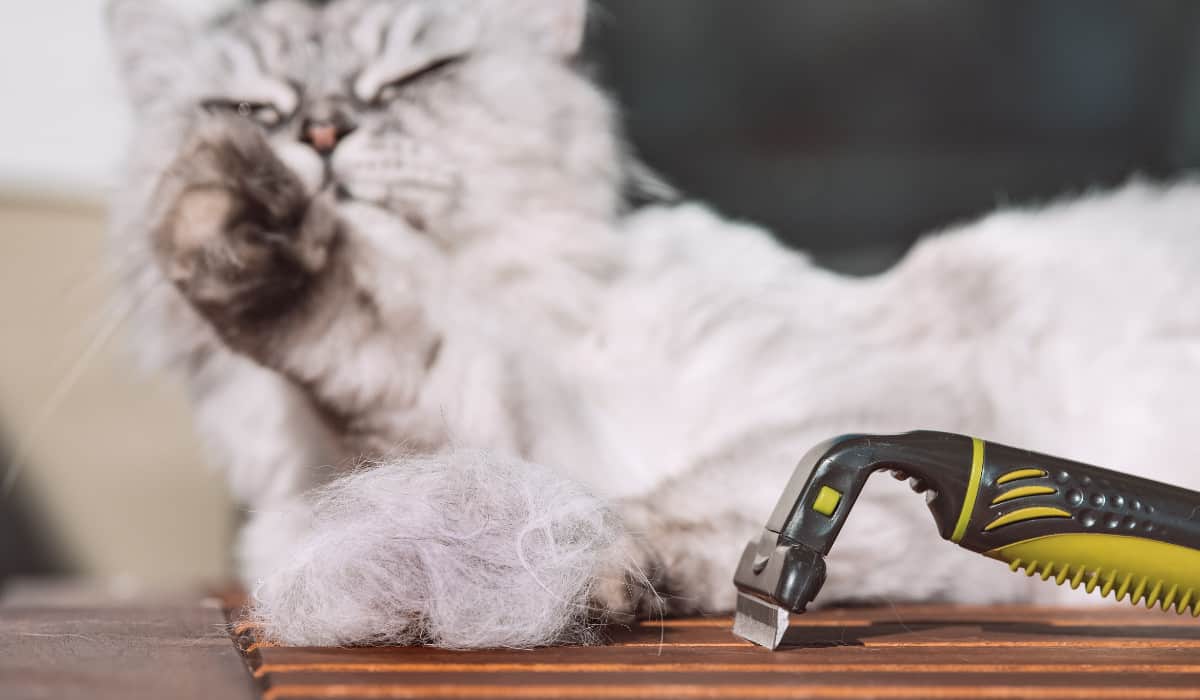
Avoiding the cat is the surest way to avoid symptoms. If a cat stays in your home, these steps lower the load. None of them works alone, but together they add up.
- Keep the cat out of the bedroom. You spend about a third of your life there, so a cat-free bedroom with the door closed helps the most.
- Wash your hands after petting the cat, and avoid touching your face.
- Cut soft surfaces. Hard floors collect less allergen than wall-to-wall carpet. Choose washable throw rugs and slipcovers and wash them often.
- Wash bedding every week in hot water (around 130 degrees F if the label allows).
- Vacuum weekly with a sealed HEPA vacuum. A leaky vacuum blows allergen back into the air. Read our guide to HEPA vacuums for sealed-system picks.
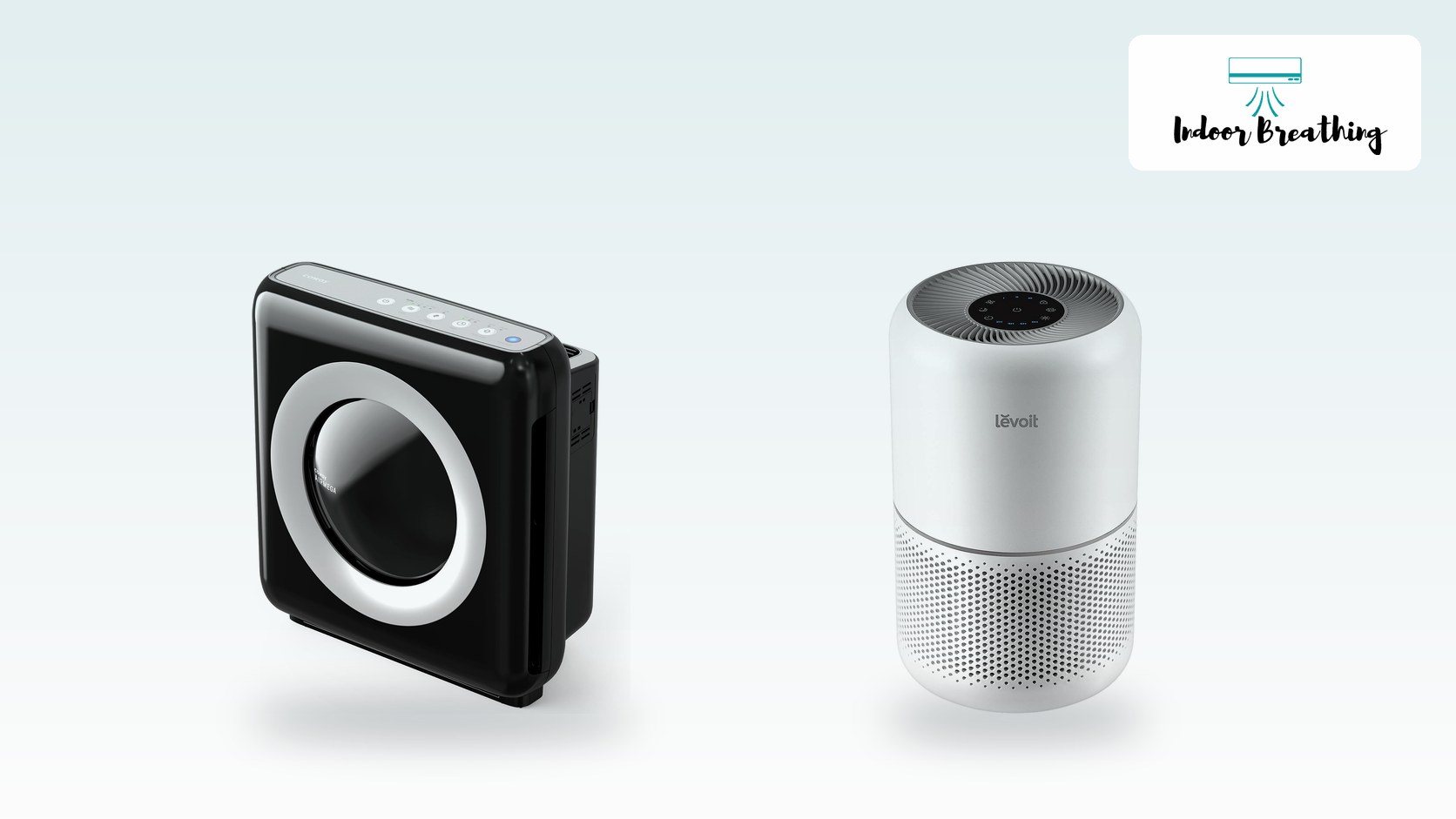
- Run a HEPA air purifier in the bedroom and main living space. See whether an air purifier helps with pet allergies and our best bedroom air purifiers.
- Change HVAC filters often. A MERV 11 to 13 filter, if your system can handle it, catches more dander.
- Keep indoor humidity around 30 to 50 percent. Very dry air can irritate airways, and very damp air feeds dust mites. See how to monitor your humidity.
- Wear a mask while dusting or cleaning the litter box, or hand the litter chore to someone who is not allergic.
- Groom the cat. Wipe your cat with a damp cloth often. Bathing can cut allergen for a short time, but it needs to be repeated and many cats hate it.
Cheesecloth over vents and a few other old tips are not proven. Spend your effort on the steps above.

The risk to watch is false hope. Claims that a cat is “hypoallergenic” or that a gadget “cures” cat allergy sell well and prove little, because allergen levels vary from cat to cat more than from breed to breed. Some people also give up a cat they could have kept with better care, while others with asthma keep one too long. Expect more products making big promises, and check them with an allergist first.
FAQs
Can cat allergies go away with exposure?
Sometimes the symptoms ease with long contact with the same cat, but they do not always go away, and they can get worse. Cat allergen is airborne and small, so it stays in the air longer than many people expect. Do not count on it.
Can you get shots to stop being allergic to cats?
Yes. Allergy shots are given by an allergist after testing. They start with small doses, usually weekly for several months, and move to maintenance doses about every 3 to 4 weeks for several years. They reduce symptoms over time but are not an overnight fix.
Can someone who is allergic to cats live with a cat?
Many people with mild symptoms do, using medicine and the home steps above. If you have asthma or severe symptoms, talk to a doctor first, and keep in mind that the bedroom needs to stay cat-free either way.
Do cat allergies weaken your immune system?
No. An allergy is an overreaction of the immune system to a harmless protein, not a sign of weak immunity. It does not protect you from germs, and it does not make the immune system stronger.
Is there a hypoallergenic cat?
No cat is fully allergen-free. Allergen levels vary from one cat to another, and breed claims are weak. Spend time with a cat before you adopt it, and ask your allergist about a trial.

Conclusion
You cannot count on building immunity to cats by living with one. The better plan is a mix of an allergist’s help, medicine, a cat-free bedroom, hot-washed bedding, a sealed HEPA vacuum and a HEPA air purifier. Our guides on air purifiers for allergies and the most common household allergens are good next steps, and a test from a doctor will tell you exactly what you are reacting to.
What happens next: more homes now have cats and more people work from home, so more people will live closer to cat allergen all day. The sensible path is the boring one, which is a bedroom that stays cat-free, regular cleaning, a HEPA purifier and a proper allergy plan from a doctor. If symptoms keep growing, get tested rather than guessing.