
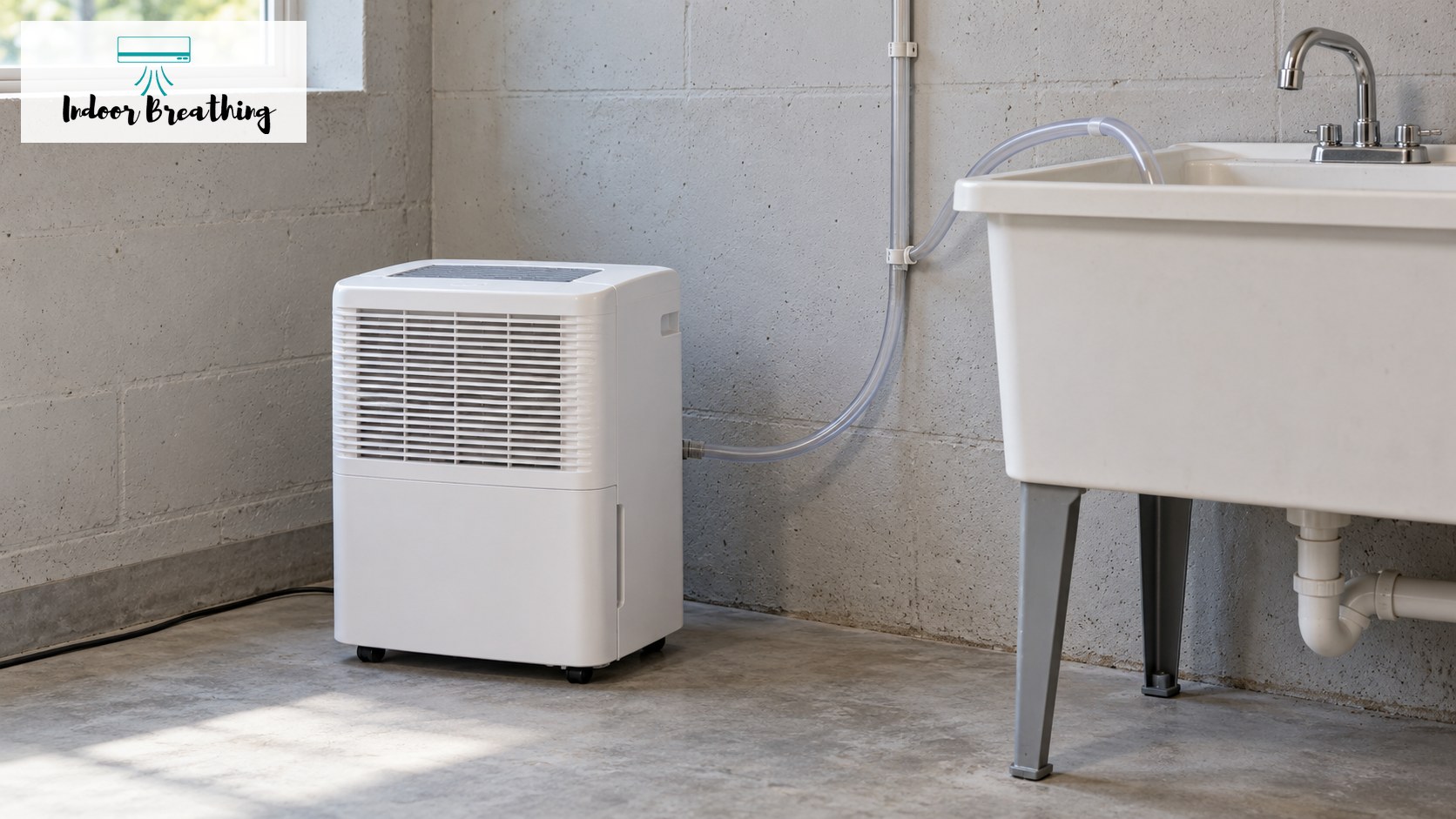
Emptying a dehumidifier bucket twice a day is nobody’s idea of a good time. The fix is simple: run a hose from the unit to a utility sink and let the water leave on its own.
The catch? Most people get the plumbing backwards, and the water just sits there. This guide covers the one rule that makes it work, plus six dehumidifiers that handle a hose well.
Quick answer: a plain hose drains by gravity, so the dehumidifier’s drain outlet has to sit higher than the end of the hose. A utility sink rim is usually higher than the floor-level outlet on the unit. Three ways around that: raise the dehumidifier onto a sturdy shelf, drain to a floor drain instead, or pick a model with a built-in pump.
Table of Contents
Best Dehumidifiers With a Drain Hose for a Utility Sink
Pick by how you will drain, not just by pints. Tap anywhere on a row to check the price on Amazon.
Prices and ratings checked October 2026 and change often. “Pints” means the maker’s daily removal claim, which depends on temperature and humidity.
The One Rule: Water Only Flows Downhill
A drain hose has no motor. Gravity does all the work, so the whole path from the dehumidifier to the sink has to run downhill.
Here is the problem. Most dehumidifiers drain from a spot a few inches off the floor. A utility sink sits at waist height. Running a hose from the floor up and over the sink rim means the water has to climb, and it will not. It backs up, fills the tank, and the machine shuts off.
Fix it one of three ways:
- Raise the unit. Put it on a sturdy shelf or platform so the drain outlet is above the sink rim. These machines weigh about 40 pounds and vibrate a little, so use something solid.
- Use a floor drain. Basements often have one. A hose that runs along the floor to a drain is the easiest gravity setup there is.
- Use a pump. A built-in pump pushes water uphill, so the sink can sit higher than the unit. More on this in the built-in pump dehumidifier guide.
1. Midea Cube 50 Pint: Easiest Hose-to-Sink Setup
This is the pick that spells out the sink plan. Midea says you can pull the tank, set the unit above a sink, and use the included drain hose. No separate hose to hunt for, which saves a trip to the hardware store. It handles up to 4,500 sq ft by the maker’s rating and sells for about $241.
The honest part: its rating on Amazon is 3.8 stars across about 1,300 reviews. That is lower than the other picks here. Buy it for the easy hose setup, and keep the return window in mind.
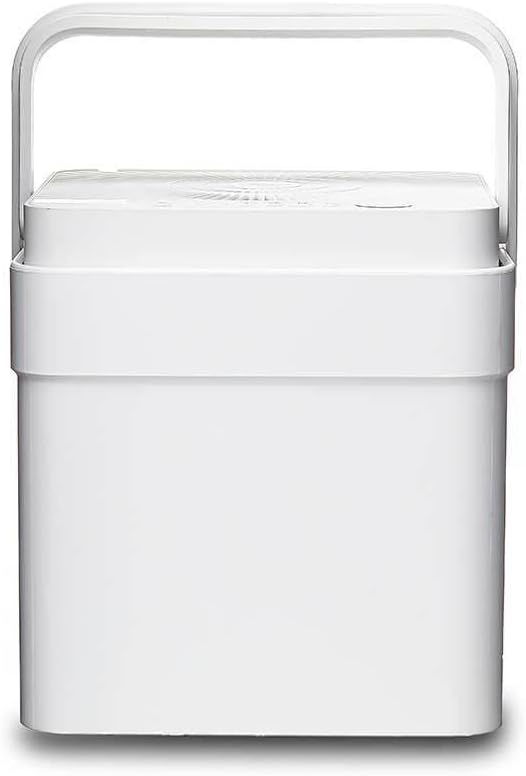
Verdict: the simplest way to get a hose attached and draining, as long as the unit can sit above the sink.
2. hOmeLabs 50 Pint (7,000 Sq Ft): Best-Reviewed Crowd Favorite
Over 25,000 Amazon reviews and a 4.4-star average is a lot of real-world use. The hOmeLabs has a hose outlet for continuous drainage, but the hose is not included. Budget a few dollars for a garden hose or the right-size tubing. It runs about $229, and the tank holds 1.6 gallons if you ever skip the hose.
One tip: check the outlet size in the manual before buying a hose. Many units use a standard garden-hose thread, but not all of them do.
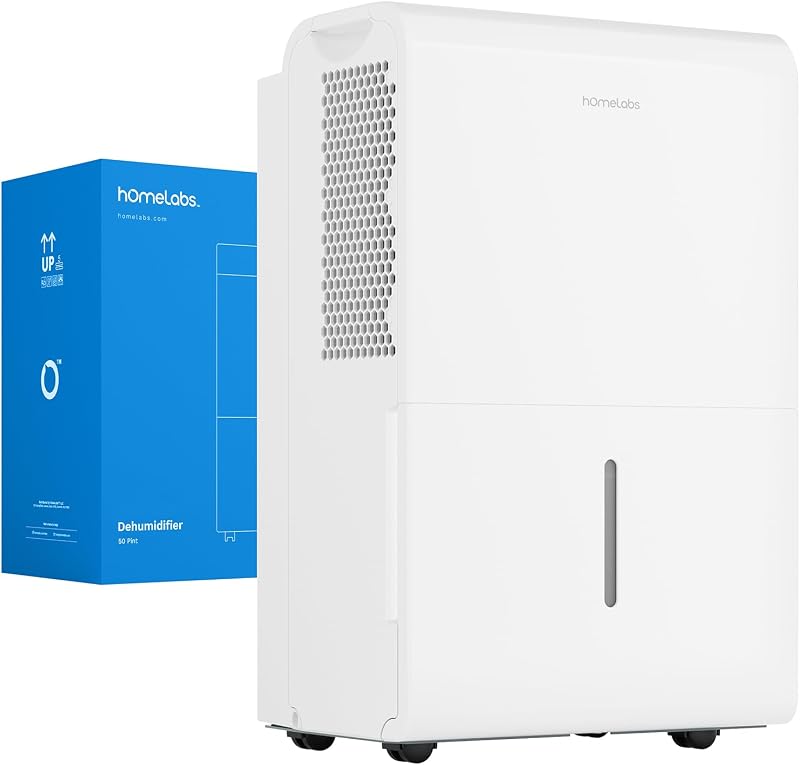
Verdict: the safe, proven choice when you do not mind supplying your own hose.
3. Frigidaire FFAD5033W1: Name-Brand Pick With Continuous Drain
If a household brand matters to you, the Frigidaire 50-pint lists a continuous drain option right in its product title. It is a 16-inch-wide, 24-inch-tall unit with a washable filter and custom humidity control. At about $311 it is the priciest gravity-drain pick on this list, with a 4.0-star rating across roughly 2,200 reviews.
Check the listing or manual for whether a hose comes in the box. That detail was not clear on the page.
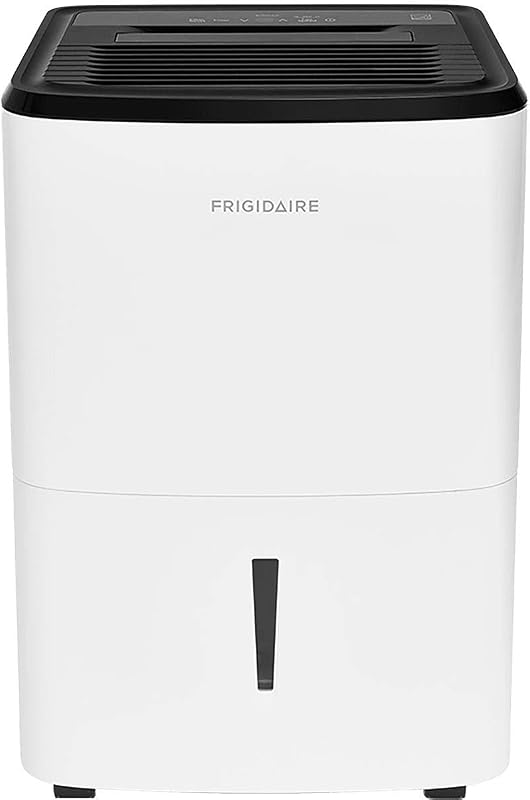
Verdict: good if you want a major brand and are fine paying more for it.
4. AEOCKY Max 50 Pint: Best Value With a Hose Included
This one lists a drain hose right in the title. It is rated for up to 3,000 sq ft, uses a small footprint, and costs about $170. The rating is 4.8 stars, but from only about 190 reviews, so treat it as promising rather than proven.
Its tank is small (about half a gallon), so the hose is not a nice extra here. It is how you will want to run this one.
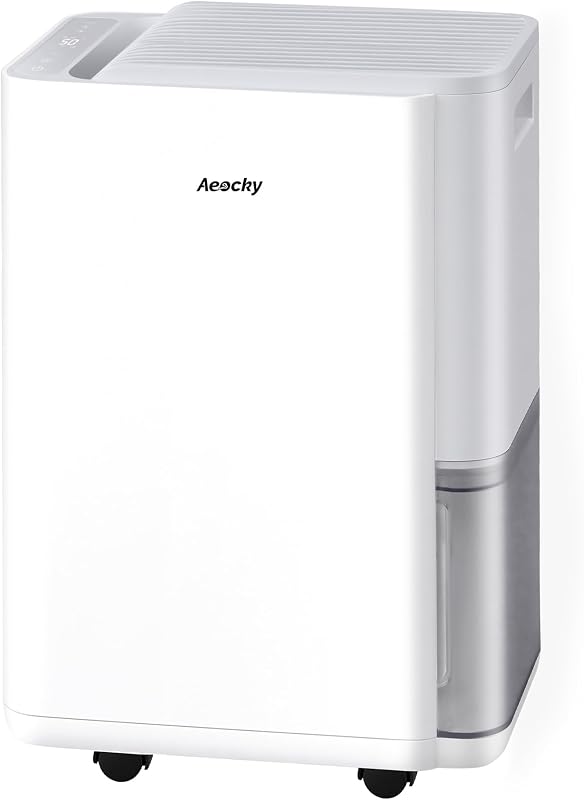
Verdict: the budget choice for a mid-size basement. Just remember the short review history.
5. VEAGASO 34-36 Pint: Best Small, Quiet Option
For a small laundry room or a damp corner, this compact unit is rated up to 2,500 sq ft. It lists a drain hose in the title, runs at 40 dB or less in low mode, and costs about $123. That is the cheapest on the list. The 4.5-star rating comes from about 3,000 reviews.
It has a tiny 0.53-gallon tank, which fills fast in a damp basement. Run it on the hose, or it will keep shutting off.
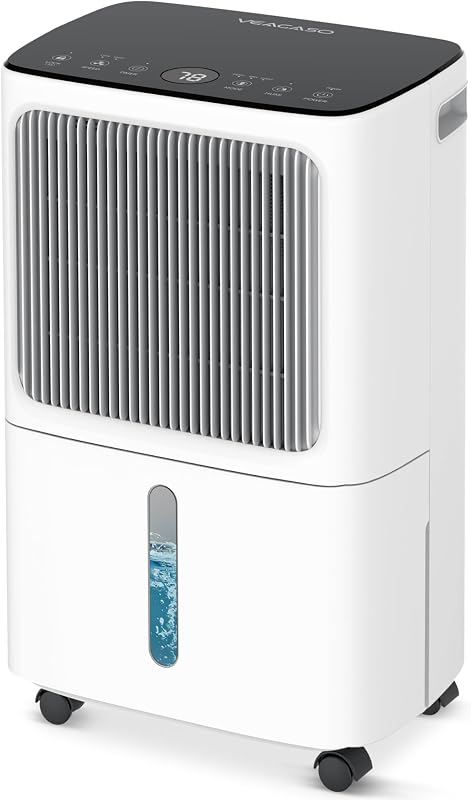
Verdict: the best pick for a small space where noise and price both count.
6. Gasbye DryPrime With Replaceable Pump: Best When the Sink Is Higher
If the sink sits above the unit and you cannot raise the dehumidifier, a pump saves the day. The Gasbye has a removable, cleanable pump, and the maker lists a 16.5-foot pump hose and a 44 dB pump noise level. It costs about $255, with a 4.5-star rating from around 160 reviews. That is a short track record, so the pump’s long-term life is still an open question.
It also has a 1.45-gallon tank, so you can still choose between bucket and pump. For more pump options, see our best dehumidifiers with built-in pumps.
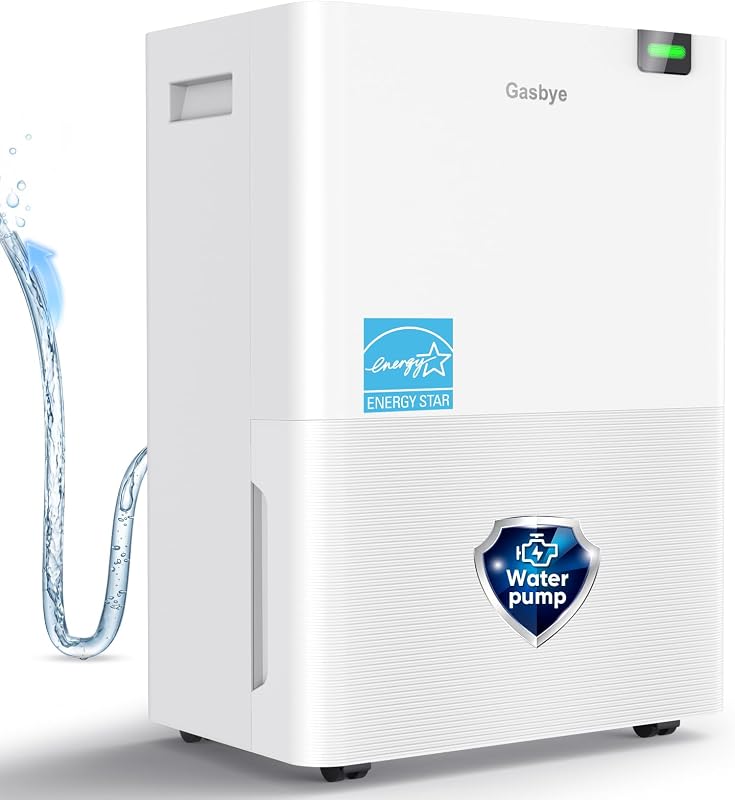
Verdict: the one to buy when gravity is not going to work.
How to Hook a Dehumidifier Hose to a Utility Sink
- Read the manual first. Some units want the tank removed for continuous drain. Others keep the tank in place. The manual says which.
- Find the drain outlet on the back or side and pop off the cap or plug.
- Attach the hose and make sure it clicks or threads on snugly. A loose fit leaks.
- Check the slope. The hose must run downhill the whole way. No loops, no sags, no uphill sections.
- Straighten any kinks. A kinked hose is the number one reason a hose setup fails.
- Secure the end over the sink basin so it cannot slip out. Clamp it, tape it, or use a hose guide.
- Test it. Run the unit for an hour, then look for a steady drip into the sink.
If the tank still fills and the unit keeps shutting off, the hose is probably blocked or running uphill. Our dehumidifier not collecting water guide has more troubleshooting.
Dehumidifier Hose or Pump: Which One Do You Need?
| Your setup | Best choice |
|---|---|
| Floor drain nearby | Plain gravity hose. Cheapest and simplest. |
| Sink lower than the unit’s outlet | Plain gravity hose. |
| Sink higher than the unit’s outlet | Raise the unit, or use a built-in pump. |
| Long or uphill run | Pump. Check its maximum lift in the manual. |
Sizing: Match the Dehumidifier to the Room
A hose fixes the bucket problem. It does not fix an undersized machine. Match capacity to the space and how damp it gets. A 50-pint unit is common for a basement of average dampness, while a small laundry nook can use a smaller one. Not sure? Use our dehumidifier sizing guide.
Compare pint ratings on equal terms, too. Many brands quote the big number measured at 95 degrees F and 95 percent humidity. At cooler basement conditions, expect less. See our best 50-pint dehumidifiers and best dehumidifiers for basements for more sizing detail.
Set It and Forget It: Maintenance Tips
- Clean the filter every few weeks. A clogged filter cuts airflow and moisture removal.
- Flush the hose now and then. Slime and mineral buildup can slow the flow.
- Check the sink drain. If it clogs, the hose backs up with it.
- Peek at the hose end once a week for the first month. After that, a quick monthly look is plenty.
- Winter note: in a cold basement, water in a hose can freeze. Follow the manufacturer’s guidance for low temperatures.
Common Mistakes With Dehumidifier Hoses
- Running the hose uphill. Gravity does not climb.
- Mixing up hose sizes. Check the outlet before you buy a hose.
- Letting the hose end drop into standing water. Keep it above the sink’s water level.
- Skipping the secure step. A loose hose end slides out and floods the floor.
- Ignoring the room. A dehumidifier cannot fix a leak. Fix the source of the moisture first.
Whole-home moisture problem? Look at the best whole-house dehumidifiers and the guide for damp homes.
Frequently Asked Questions
Can a dehumidifier drain into a utility sink?
Yes, if the water can flow downhill from the unit’s drain outlet to the sink. If the sink is higher than the outlet, raise the unit or use a pump.
Do you need a pump to drain a dehumidifier into a sink?
Only when the sink is higher than the unit and you cannot raise it. Otherwise a plain hose works fine.
What kind of hose does a dehumidifier use?
Many use a standard garden hose. Some come with their own hose. Check the drain outlet size in the manual before buying one.
How high can a dehumidifier pump water?
It depends on the model. Check the maximum lift or head height in the manual, and measure the vertical distance from the unit to the sink.
Can you leave a dehumidifier draining all the time?
Yes, continuous draining is the point. Keep the hose clear, check it now and then, and clean the filter on schedule.
Why is a dehumidifier not draining through the hose?
Usually the hose is kinked, uphill, loose, or blocked. Straighten it, check the slope, and re-seat the connection. If it still fails, the drain outlet may be clogged.
The Bottom Line: Pick the Drain Plan First
A hose is easy. Getting the water to flow downhill is the real job. Floor drain nearby? Any hose-ready model works. Sink up high? Raise the unit or buy a pump model like the Gasbye. Want the simplest install? The Midea Cube includes the hose. Want the crowd favorite? The hOmeLabs has the track record.
Also see our built-in pump guide if gravity is not an option.