
The thermostat says AUX, and the first thought is the power bill. Fair. But that little word does not mean something broke. It means the controls asked for backup heat.
Sometimes that is normal. Cold snap, defrost cycle, or a big jump in the setting. It turns costly when it keeps running with no clear reason, or when the house still feels cold. The useful question is what else is happening when AUX shows up.
Table of Contents
What does AUX heat mean?
A heat pump moves heat from outside to inside. Auxiliary heat is the helper. Most systems use electric heat strips inside the air handler. Dual-fuel systems use a gas furnace instead. Your equipment and thermostat settings decide when the helper steps in.
Think of AUX as the backup singer. Sometimes the lead needs support. Sometimes the backup singer is doing all the work, and that is when the bill hurts. On a small thermostat screen, both look the same.
Normal or concerning? A quick guide
| What you notice | What it may mean | Next step |
|---|---|---|
| AUX after you raise the setting | Recovery from a setback | Watch if it settles |
| Short AUX during defrost | Normal backup operation | Make sure normal heat returns |
| AUX on very cold days | The house needs more heat than the pump alone gives | Compare with how the system usually acts |
| AUX all day, poor heating | Airflow, controls or equipment problem | Check the basics, then book service |
5 reasons AUX heat can be normal
- Cold weather. Your home may need more heat than the pump alone supplies. The balance point differs by system and by house. No single outdoor temperature fits every home.
- Defrost. The outdoor coil frosts over now and then and the system clears it. Backup heat keeps the house warm during that. A short run that ends is fine. Ice that stays is not.
- Setback recovery. Jump the thermostat up several degrees and the controls ask for extra heat. Big overnight setbacks can trigger it every morning. Follow the heat-pump advice for your thermostat, not a one-size-fits-all rule.
- Dual-fuel switching. With a furnace backup, the system may swap between pump and furnace by design.
- A brand-new install. Some systems run backup more while they settle in. Ask the installer what the normal pattern is.
4 reasons AUX heat can cost more than it should
- Blocked airflow. A dirty filter, closed vents or blocked returns cut performance. Check the filter size in the manual and replace it with the right type. A thicker filter is not an automatic upgrade. See our MERV 13 filter guide for fit and airflow.
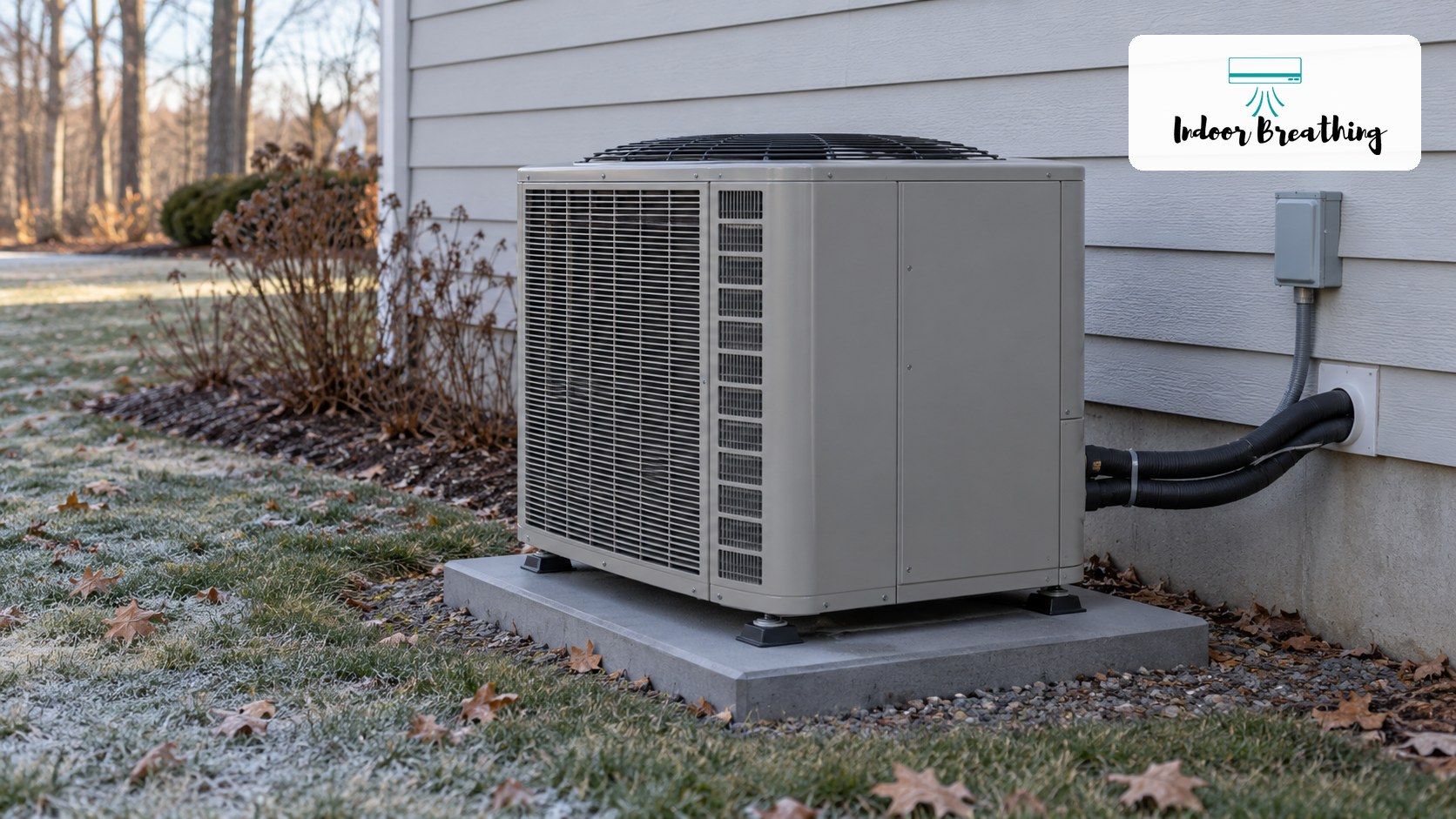
- Outdoor unit problems. Leaves or snow can block the coil. Look from a distance and do not open panels. Ice that will not go away, weak airflow or odd noises call for a pro. Do not chip ice off the coil.
- Thermostat settings. Trouble that started after a thermostat swap points to setup. A tech should check staging, sensors and lockouts. Do not switch backup heat off just to make the message go away.
- Real faults. Refrigerant leaks, compressor trouble, reversing valve problems and defrost faults all push the system to lean on backup. The AUX label cannot tell you which one it is.
How much does AUX heat cost?
Use the real heater rating, the run time and your power rate. Example: a 10 kW strip heater at full output for one hour uses 10 kWh. At $0.20 per kWh, that is $2 an hour for the strips alone.
Real heaters often stage on and off, so one hour of the AUX light does not mean one hour at full power. Gas furnace backup uses a different math. Your thermostat screen is a clue, not a meter. For comparing heat sources, see our guide to efficient space heaters and space heater size guide.
AUX heat vs emergency heat
AUX is an automatic request for extra heat. Emergency heat is a mode you pick that skips the heat pump and runs backup only. With electric strips, AUX can run alongside the compressor. Dual-fuel systems usually switch between the pump and the furnace.
Do not flip to Emergency Heat just because it is cold out. Use it as the manual says, or when a pro tells you the heat pump has failed. If the system heats poorly, get it checked instead of living on backup.
What to track before you call
Write down the outdoor temperature, the indoor temperature, the setting, recent changes, and when AUX turns on. Note whether comfort returns and whether this is new. If your thermostat saves stage history, save it for the tech.
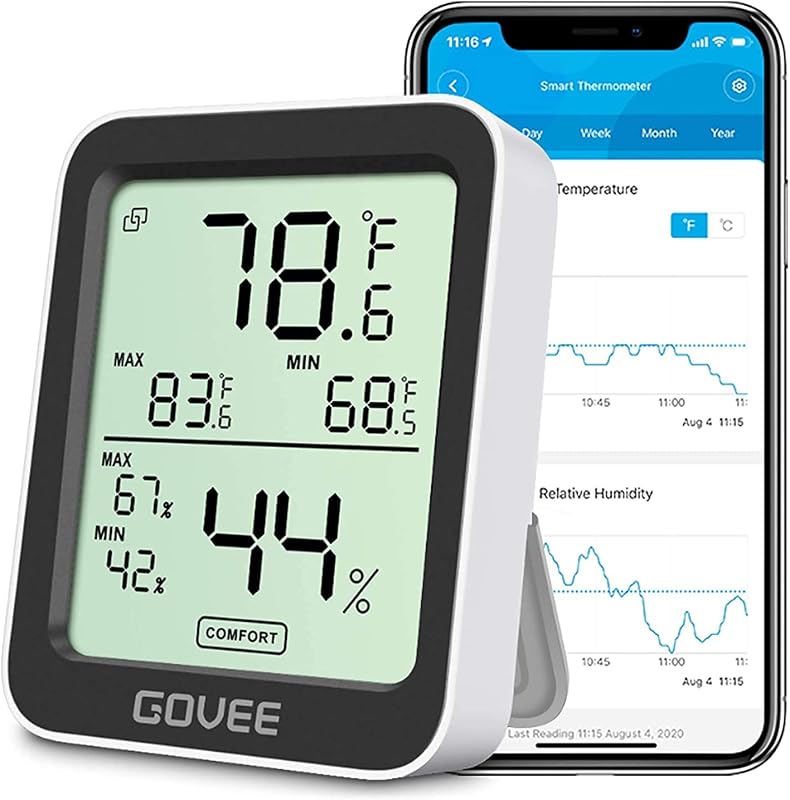
A simple room thermometer makes the notes easier. The Govee H5075 is a $12.99 Bluetooth thermometer and hygrometer with an app that charts the room. It does not fix anything, but it gives you a record. More choices are in our indoor and outdoor thermometer picks and indoor hygrometer guide.
Before the visit, take a photo of the equipment label if it is safe to reach, and find the thermostat manual. Ask the tech what should trigger backup on your system and whether the run time you saw fits that. A written answer gives you a baseline for the next cold spell.
When to call an HVAC pro
Book service when steady AUX comes with a falling room temperature, heavy ice, weak airflow or a bill that jumped for no clear reason. Repeated breaker trips need attention too. Do not keep resetting them. Refrigerant and electrical work belong to licensed pros.
If you smell gas, see smoke, or a carbon monoxide alarm goes off, leave the house and call the gas company or emergency services from outside. Those signs come before any thermostat troubleshooting. Odd heating smells? See 3 heating smells that mean your home is making you sick and furnace burning dust smell.
AUX is not the enemy. Extra backup run time is the part worth chasing. Start with the weather, the settings and the airflow, then bring in a pro when the pattern makes no sense. More heating guides live in our heating section.
Quick answers
Is AUX heat bad for a heat pump?
No. It is a built-in helper. The worry is the cost when it runs more than it should.
Should AUX heat come on in the middle of winter?
It can, on the coldest days or after a big setting change. What matters is a sudden change from how your system normally acts.
Can a humidifier or dry air change anything?
Dry winter air makes the house feel colder. Keeping humidity near 30 to 50 percent can help comfort. See our humidifiers hub.