
If a central air conditioner is running but not cooling, start with the air filter — a clogged filter is the most common cause, and it can also freeze the evaporator coil, which then blocks cooling even after the filter is fixed. Next check the thermostat mode and the breaker panel, then look at the outdoor condenser coil for dirt buildup. A compressor that hums without starting usually points to a failed capacitor. Warm air with ice on the indoor coil or copper line points to low refrigerant from a leak — that repair legally requires an EPA-certified technician, not a DIY fix.
This guide reflects Carrier’s official AC troubleshooting guidance (Carrier is Bryant’s parent company), ENERGY STAR’s published home cooling maintenance checklist, and EPA Section 608 refrigerant handling rules.
A central air conditioner that’s running — you can hear it, air is coming out of the vents — but not actually cooling the house is one of the most common HVAC complaints there is. It’s almost always one of a short list of causes, several of which you can check yourself in minutes. A few genuinely aren’t DIY territory, and we’ll be direct about which ones those are.
Table of Contents
Most Likely Causes of a Central AC Not Cooling
Ordered by how often each cause actually turns out to be the real problem, per documented troubleshooting guidance from Carrier and other manufacturers — not alphabetically:
- Dirty or clogged air filter. Restricted airflow is the most common cause of an AC that runs but doesn’t cool, and it’s also the most common cause of the next item on this list.
- Thermostat set incorrectly. Mode set to “Fan” instead of “Cool,” a temperature set above room temperature, or dead batteries can all look exactly like a broken AC.
- Tripped breaker. Worth checking first if the outdoor unit isn’t running at all.
- Frozen evaporator coil. Usually a downstream effect of the dirty filter, but it needs its own fix, because ice blocks cooling even after the filter is replaced.
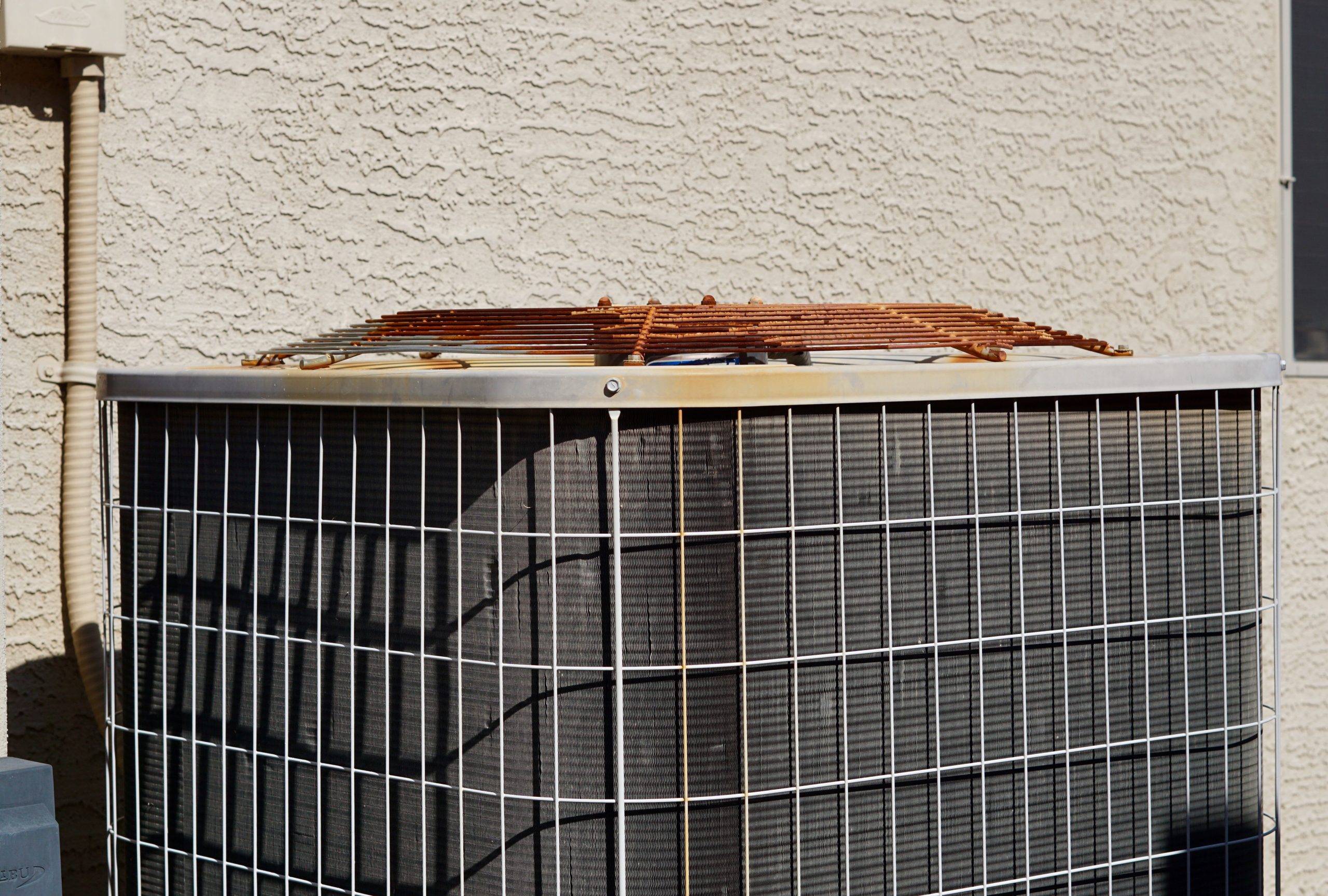
- Dirty outdoor condenser coil. Dirt, grass clippings, and debris on the outdoor unit’s fins cut its ability to dump heat, which reduces cooling capacity.
- Failed run capacitor. A weak or dead capacitor keeps the compressor or fan motor from starting properly — the system runs, but doesn’t cool.
- Low refrigerant from a leak. Refrigerant isn’t consumed in normal operation, so a low level always means it’s leaking. The only cause here that legally requires a certified technician.
Closed vents, leaky ductwork, and an undersized system can mimic the same symptoms too — covered further down.
Check These First: Thermostat, Breaker, and Filter
Carrier’s own troubleshooting guidance for a central AC that isn’t working walks through these three checks before anything else, and they’re the fastest to rule out.
Thermostat and Breaker
- Confirm the mode is set to “Cool” and the set temperature is a few degrees below room temperature.
- Swap in fresh thermostat batteries if it’s battery-powered — a low battery can cause erratic behavior or stop it calling for cooling at all.
- Find your electrical panel and check both AC breakers (one for the outdoor unit, one for the indoor air handler) for the tripped, center position.
- If one is tripped, switch it fully off, then back on. If it trips again immediately, stop resetting it — that points to an electrical fault and needs a technician.
Check and Replace the Air Filter
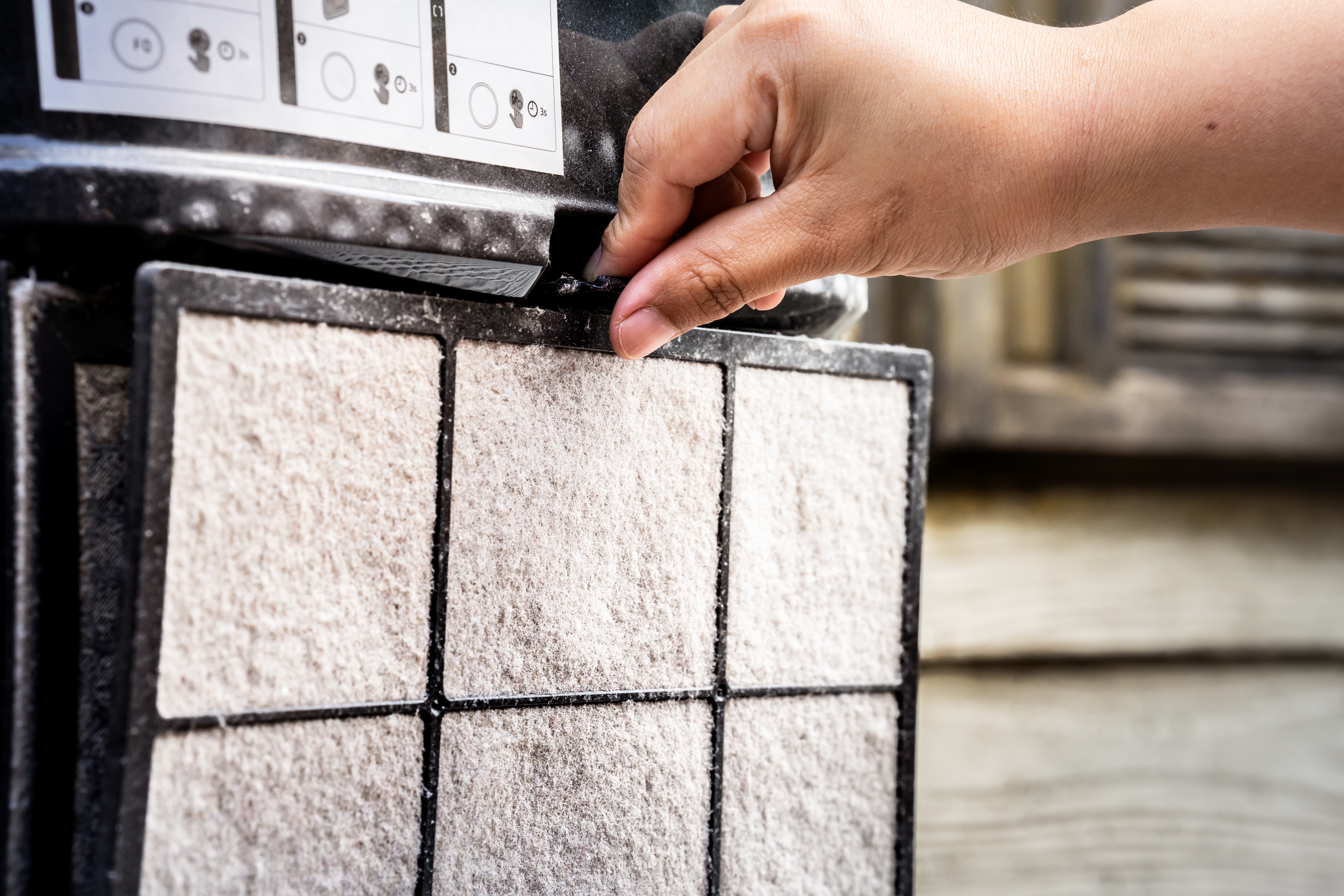
- Locate the filter, usually in a wall/ceiling return grille or in the air handler cabinet, and slide it out.
- Hold it to a light — if you can’t see light through it, replace it.
- Install a new filter of the same size in the same air-flow direction (marked by an arrow on the frame).
- Restart the system and give it 15-20 minutes before judging results. ENERGY STAR’s cooling guidance recommends checking this monthly during cooling season, since a dirty filter forces the system to work harder and shortens its life.
Frozen Evaporator Coil: Thaw It the Right Way
A badly clogged filter starves the indoor coil of warm airflow, and its surface temperature drops below freezing — ice forms on the coil itself or on the copper line running outside. Once that’s happened, replacing the filter alone won’t restore cooling right away, because the ice is now blocking airflow too.
- Turn the system fully off at the thermostat — not just to “Fan.” Continuing to run the compressor with a frozen coil can damage it.
- Set the fan to “On” so the blower keeps warmer room air moving across the coil, speeding up the thaw.
- Leave it off for several hours, or overnight for heavy ice. Don’t chip or scrape it off — that risks puncturing the fins or refrigerant tubing.
- Place towels under an indoor unit in a closet or attic, since thawing produces a lot of water.
- Once fully thawed and the filter is clean, restart in normal cooling mode.
- If it freezes again within days despite a clean filter, that points to something else — often low refrigerant — and it’s time to call a technician rather than repeat the thaw cycle.
Clean the Outdoor Condenser Coil
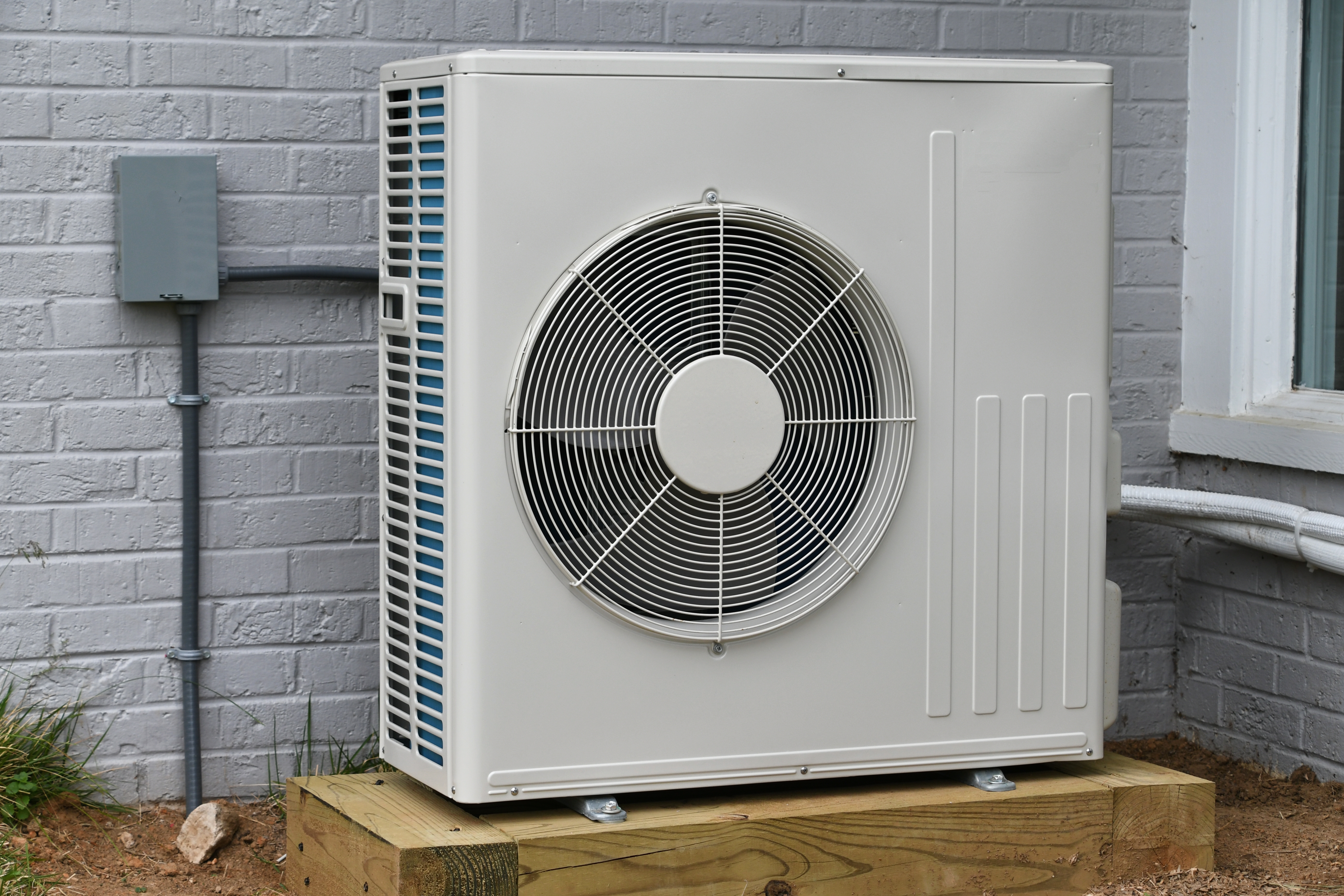
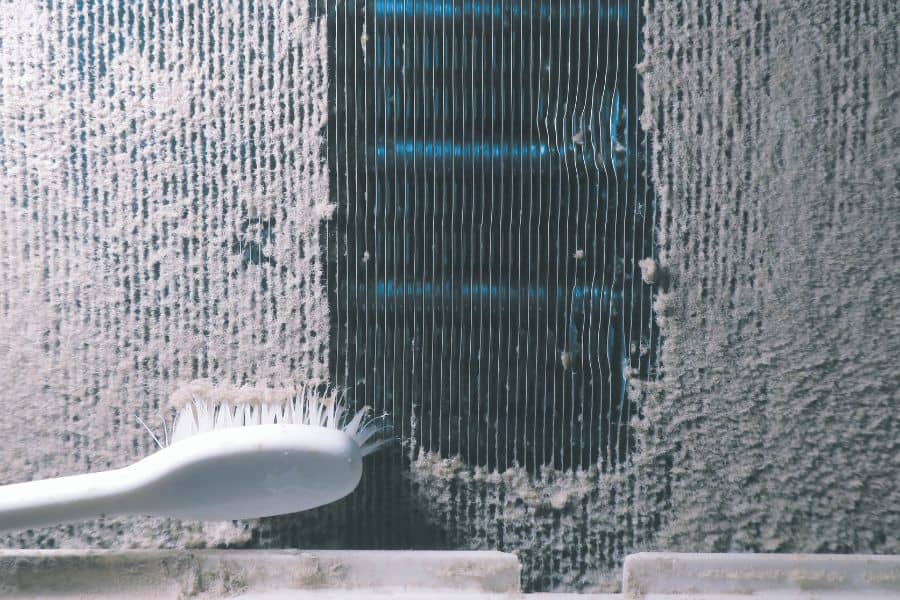
The outdoor unit dumps the heat pulled from your house into the outside air through a coil behind its metal fins. Caked-on grass clippings, cottonwood, or dust cut its ability to reject heat, reducing cooling capacity. ENERGY STAR’s maintenance checklist specifically calls out cleaning both the evaporator and condenser coils as a core seasonal step.
- Shut off power at the breaker or the disconnect box mounted near the unit.
- Clear away leaves and debris resting against or piled under the cabinet.
- Rinse the fins gently from the inside out with a garden hose on a light spray — not a pressure washer, which can bend the thin aluminum fins.
- Trim back plants or grass within about two feet of the unit on all sides.
- Restore power once the unit has dripped dry for a few minutes.
Failed Capacitor: Recognize It, Don’t Test It Yourself
A run capacitor stores charge that helps the compressor and outdoor fan motor start. When it fails, you’ll typically notice: the fan spins slowly or not at all, the unit hums or clicks but doesn’t start, or it starts and shuts off again within a minute or two. A visibly bulging or leaking capacitor top is another sign, if the outdoor panel happens to already be open.
Noticing these symptoms from outside the unit is fine. Testing or replacing the capacitor is not a beginner task — capacitors hold a genuinely dangerous charge even with the unit unplugged and the breaker off, and safely discharging one takes training. This is line-voltage electrical work: have a licensed HVAC technician test and replace it rather than opening the electrical compartment yourself.
Low Refrigerant or a Leak: Technician-Only Territory
If you’ve checked everything above — clean filter, thawed coil, clean outdoor coil, thermostat and breaker both fine — and the system still blows warm or only mildly cool air, especially with ice forming on the indoor coil or suction line despite a clean filter, low refrigerant is the likely cause. Refrigerant is sealed in at the factory and isn’t consumed during normal operation, so a low charge always means a leak somewhere.
Do not attempt to check, add, or handle refrigerant yourself. Under EPA Section 608 of the Clean Air Act, anyone who services or handles equipment containing refrigerant must be certified, and homeowners cannot legally purchase or handle the R-410A used in most current systems in quantities that would let them recharge one. Locating and repairing the leak, then recovering, evacuating, and recharging correctly requires a licensed technician with EPA-certified equipment — full stop, no DIY version of this step.
Other Causes: Blocked Vents and Ductwork
- Closed or blocked supply vents. Furniture or rugs over a vent restrict airflow to that room even though the system works fine.
- Closed return air grille. The return pulls air back in to be cooled again — block it and the whole system can struggle.
- Leaky or disconnected ductwork, often in an attic, can leak cooled air out before it reaches the vents. Not always DIY-visible, but worth flagging to a technician if performance suddenly drops for no other reason.
- An undersized system. If the AC has always struggled on the hottest days even with clean filters and coils, it may just be too small for the house. Our AC Tonnage Calculator and sizing guide can check that before you chase a mechanical problem that isn’t really there.
When to Call a Professional Instead
This is the part that matters most, so we won’t bury it: several causes above genuinely aren’t DIY-safe, and pushing through them risks your safety and further damage.
- Any refrigerant issue — low charge, a suspected leak, or ice despite a clean filter and thawed coil. This legally requires an EPA Section 608-certified technician.
- A breaker that trips again immediately after resetting. A real electrical fault, not something to keep resetting.
- Capacitor testing/replacement or any work inside the outdoor unit’s electrical compartment. Line-voltage work with a genuine shock risk — leave it to a licensed technician.
- A compressor that hums but won’t start, or trips the breaker immediately. Could be the capacitor, a seized compressor, or a wiring fault; diagnosing which one needs equipment and training beyond a homeowner multimeter check.
- A repeat freeze shortly after a full thaw and filter change. Usually means something else is wrong, often refrigerant-related, and needs a diagnostic visit.
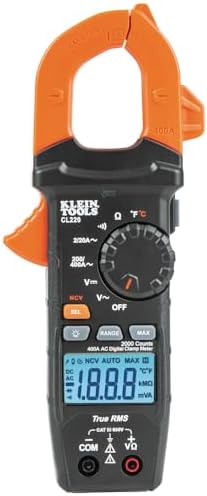
Curious what a technician is actually checking with their meter? Our HVAC multimeter and clamp meter guides cover the tools used for this kind of electrical diagnosis — useful context, not a suggestion to test a live 240V circuit yourself.
If Repairs Keep Piling Up, It Might Be Time to Replace
Central air systems typically last 12 to 15 years with regular maintenance. If yours is in that range and you’re facing a second or third repair in as many years — especially anything refrigerant- or compressor-related — price out a replacement instead of continuing to repair. We’ve reviewed several current systems worth comparing, including the Goodman GLXS4BA4210, the Goodman GLXS5BA6010, and the Bryant Preferred series (Bryant is a Carrier brand, the same manufacturer referenced throughout this guide). Before buying, run your home’s numbers through our AC Tonnage Calculator or BTU Calculator — an incorrectly sized replacement is one of the most common and expensive mistakes homeowners make replacing a failing system under pressure.
Frequently Asked Questions
Why is my AC running but blowing warm air?
Check the thermostat mode first, then the air filter, then look for ice on the indoor coil or outside line. Warm air with a clean filter and no ice most often points to low refrigerant or a compressor/capacitor issue — both need a technician to confirm.
How long does it take for a frozen AC coil to thaw?
A light frost can thaw in a couple of hours with the system off and fan running; heavy ice can take 12-24 hours. Never chip or scrape ice off the coil — it’s easy to damage the fins or refrigerant tubing underneath.
Can I add refrigerant to my AC myself?
No. EPA Section 608 requires certification to purchase or handle refrigerant, and R-410A isn’t sold to uncertified buyers in recharge quantities. Refrigerant should also never be topped off without finding and fixing the leak that caused the drop — a certified technician does both together.
How often should I change my central AC’s air filter?
ENERGY STAR recommends checking it monthly during cooling season and replacing it whenever visibly dirty, typically every 1 to 3 months depending on filter type, dust, and pets. A filter left in too long is the single most common cause of the “running but not cooling” complaint.
Is it normal for the outdoor unit to be running but the fan not spinning?
No — a hum from the cabinet with no fan movement is a common symptom of a failed run capacitor or seized motor. Don’t spin the fan by hand or open the electrical compartment; shut the system off at the thermostat and call a technician.
Why does my AC cool some rooms but not others?
Usually a vent or ductwork issue rather than a system-wide problem. Check that supply vents in the warm rooms aren’t blocked by furniture and that the return grille is clear. If those check out, leaky ductwork in an attic or crawlspace is a common next culprit worth raising with a technician.
My AC is only a few years old — why is it already not cooling well?
More likely a maintenance issue (dirty filter or condenser coil) or an installation issue (undersized for the home, or an early refrigerant leak) than normal wear. Run through the filter and coil checks first; if that doesn’t fix it, ask a technician whether the system was sized correctly when installed.