
Prices and ratings were checked on Amazon on October 10, 2026. The salt test below is the standard method many humidity-control makers describe. A home hygrometer is accurate to about 2 to 5 points at best.
A hygrometer tells you how humid the air is. Humidity should sit between 30 and 50 percent in most homes, and that is a narrow window. Too low dries out skin and throats. Too high helps mold and dust mites grow. So the meter has to be right.
Most digital hygrometers come set from the factory. Yet a cheap sensor can be off out of the box, and it can drift over the years. The good news is that checking it costs almost nothing. Here is how to do it with items from your kitchen, and when a ready-made kit is worth the few dollars.
Table of Contents
What a Digital Hygrometer Does
A digital hygrometer measures relative humidity, which is the share of water vapor the air holds compared with the most it could hold at that temperature. Most models also show temperature. Inside is a small sensor that reacts to moisture, and a chip that turns the reaction into a number on the screen. Many store the high and low readings and show a trend.
People use them for more than comfort. A humidor, a guitar, a baby’s room, a basement, a greenhouse shelf and a wine room all need a steady number. A meter for a home should read within about 2 to 5 points of the truth. See our guide to indoor hygrometers for picks.
Does a Digital Hygrometer Need Calibration?
Most do not need it right away. Makers set them at the factory. But a quick check is smart in three cases:
- The meter is new, and you plan to rely on it for a humidor or a baby’s room.
- Two meters in the same room read very differently.
- The readings look wrong for the weather, such as 30 percent in a steamy bathroom.
Let the meter sit in the room for two to three hours first, so it can match the air. A meter that has just come in from a cold car will read oddly for a while.
Looking ahead, humidity sensors keep getting cheaper and better. Phone-linked meters, smart humidifier controls and all-in-one air monitors now carry a humidity sensor as a side feature. The catch is that a cheap sensor drifts over time, so a reading that was right in year one can slip a few points by year three without any warning.
The Salt Test, Step by Step
Salt and water in a sealed space settle at about 75 percent humidity, which gives you a known number to compare with. The test is simple and cheap.
What you need
- A bottle cap or a small shallow dish
- Table salt (any common salt works; iodized is fine)
- A few drops of water
- A resealable plastic bag that fits the cap and the meter, or an airtight container
- Your digital hygrometer
Steps
- Make the slush. Fill the cap with salt, then add water a few drops at a time. You want damp, clumpy salt, like wet sand. It should not be a liquid. Some dry salt should remain.
- Seal it with the meter. Set the cap upright on a flat surface inside the bag, and put the hygrometer next to it. The meter must not touch the salt. Press the air out gently, and seal the bag.
- Wait. Keep the bag out of direct sun, away from heaters and drafts, at a steady room temperature. Leave it for 8 to 12 hours. Some sources say 24 for a very exact result.
- Read the meter. It should show close to 75 percent. Note the number. Do not open the bag until you read it.
- Adjust. If your meter has a calibrate or reset button, press it now while it is still in the bag, per the manual. If it has no button, work out the offset: 75 minus the reading. If the meter says 70, it is 5 low, so add 5 to every future reading.
Repeat the test twice a year if the meter matters, or once a year for a basic room check. A meter that is more than 5 points off at 75 percent is a good reason to replace it.
The risk to watch is trusting a number that is wrong. A hygrometer that reads 10 points low can leave a humidifier running all night, and that feeds mold on windows and walls. Expect more devices with built-in humidity readings and little word on how to check them.
Skip the Kitchen: A Ready-Made Kit
If you do not want a mess, a calibration pack does the same job. It is a sealed pouch that holds air at 75 percent humidity. You put it in a bag with the meter, wait, and read the result. A cheap meter and a $8 kit together cost about $19, which is less than a month of mold cleaner.
Prices and ratings were checked on Amazon on October 10, 2026.
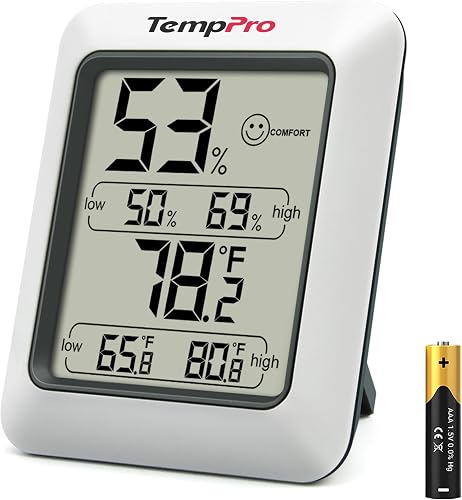
Price on Amazon: $10.99 | 4.6 stars from 155,779 ratings (checked October 10, 2026)
The TempPro TP50 is the standard cheap room meter, with well over 150,000 ratings. It shows temperature and humidity with high and low memory. Test it as soon as it comes out of the box.
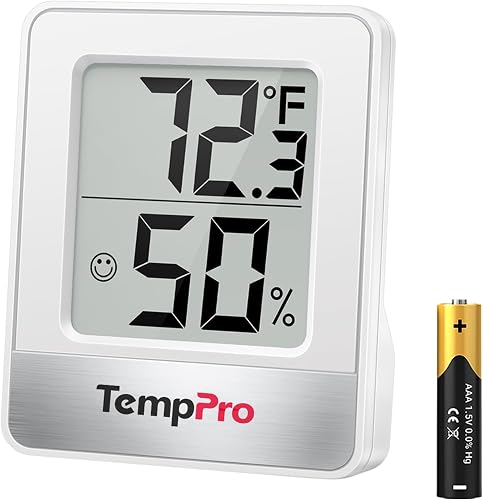
Price on Amazon: $9.99 | 4.6 stars from 63,257 ratings (checked October 10, 2026)
The TempPro TempAir is a compact option from the same maker with a similar screen. Good for a closet, a humidor or a baby’s room.
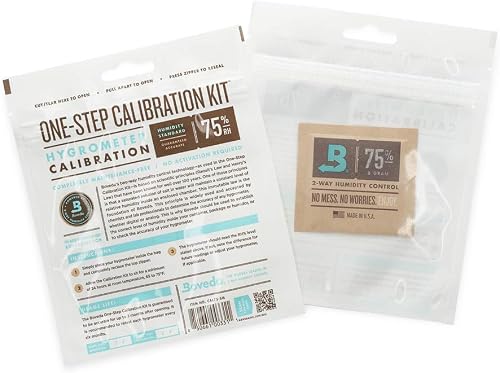
Price on Amazon: $7.99 | 4.7 stars from 3,179 ratings (checked October 10, 2026)
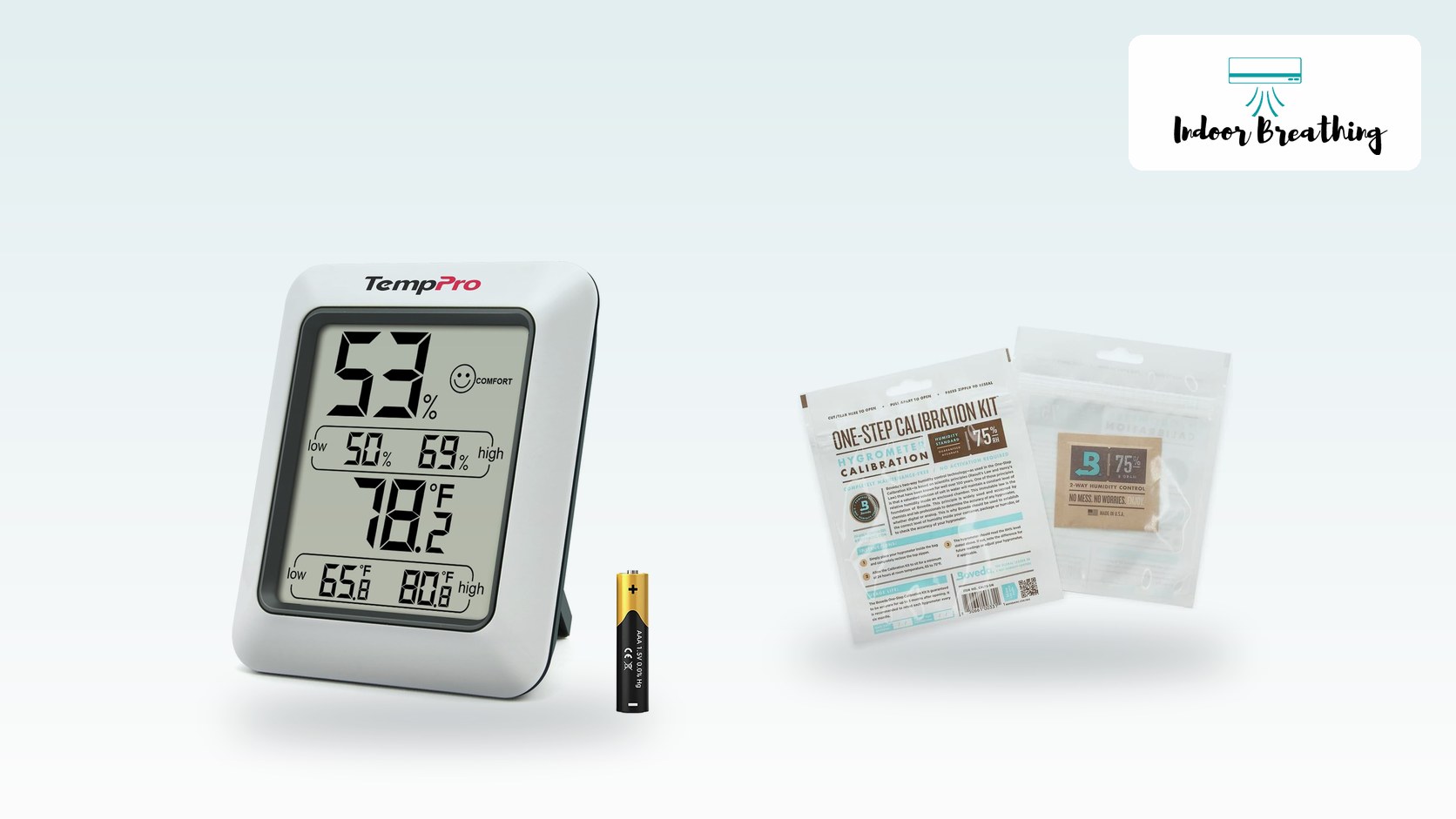
The Boveda 75% kit skips the salt. Seal it in a bag with your meter and read the result.
Common Mistakes
- Too much water. A puddle of salt water gives the wrong number. Use damp, not wet.
- Opening the bag early. It resets the clock. Wait the full time.
- A warm spot. Sun and heat vents shift the result. A cool, steady shelf is best.
- Touching the salt. Salt on the sensor can ruin the meter. Keep them apart.
- Mixing up a hygrometer with a hydrometer. A hydrometer measures the density of liquids. It has nothing to do with air humidity, and the distilled-water trick for it does not apply here.
What Number to Aim For
The EPA suggests keeping indoor humidity between 30 and 50 percent. In winter, aim for the lower end to avoid window condensation. A humidor wants about 65 to 72 percent, depending on your cigars. A guitar likes 45 to 55 percent. Once your meter is right, you can run a humidifier or dehumidifier with confidence. If the air is dry, read about dry air symptoms.
FAQ
How accurate are digital hygrometers?
Home meters are usually good to within 2 to 5 points. Lab sensors do better. That is enough to guide a humidifier, if the meter has been checked.
How often should you calibrate a hygrometer?
Once when new if the reading matters, then once or twice a year. Check sooner if the numbers look odd.
Can you calibrate a hygrometer without salt?
Yes. Use a ready-made 75% kit, or compare it against a second meter you trust. Two cheap meters that agree are a good sign.
Why does a hygrometer say 99 percent?
It may be wet or near a steamy spot. Dry it, move it and wait a few hours. If it still reads near 99, the sensor is damaged.
Final Word
A five-minute setup and a night of waiting turns a guess into a reading you can use. For the rest of the setup, see our air quality testing guide and the best air purifiers for home.
What happens next: a simple check once or twice a year will become normal for anyone who runs a humidifier or a dehumidifier, or who keeps a cigar humidor or a guitar case. Treat a five-minute test as part of owning the meter, not an extra.
Related Guides
Keep going with indoor hygrometers, best air purifiers for home, dry air symptoms and air quality testing.