
Radon has no smell, no color and no warning. It comes up out of the soil, slips in through cracks and sump pits, and builds up in basements. The only way to know your number is to test.
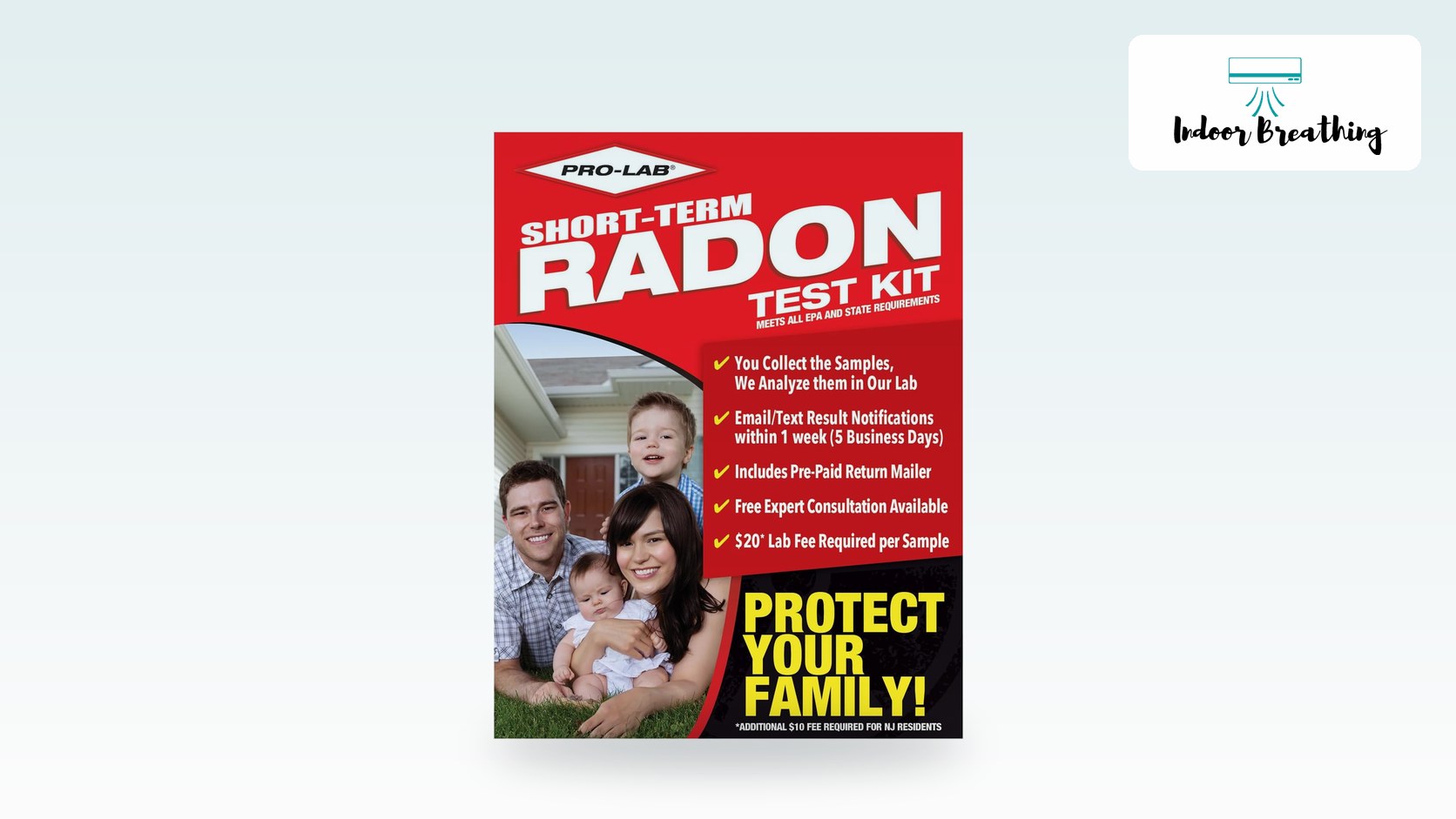
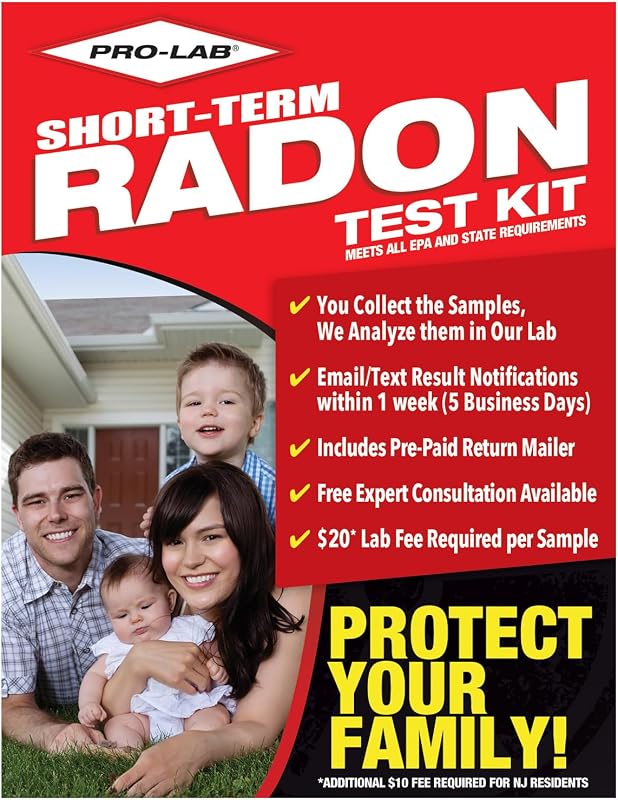
The PRO-LAB radon test kit is the cheap, popular way to do it. The short-term version costs $9.99 on Amazon for two detectors, with a $20 lab fee per detector on top, according to the listing. Here is what that adds up to, how to use it, and what the results mean.
Table of Contents
Why test: the facts
The EPA says radon is the leading cause of lung cancer among nonsmokers, and the second leading cause overall after smoking. It is behind about 21,000 lung cancer deaths a year in the U.S. The EPA action level is 4 picocuries per liter (pCi/L). The agency also says to consider fixing a home with levels between 2 and 4. For a deeper look, read our guide to radon gas and EPA action levels.
PRO-LAB short-term kit
| Kit | Test length | Cost | Price |
|---|---|---|---|
| PRO-LAB short term, 2 detectors | As little as 48 hours | $20 lab fee per detector (listing) | ~$9.99 |
| PRO-LAB long term, 1 detector | 3 to 12 months | Check listing for lab fee | ~$12.99 |
Prices checked October 2026 and change often.
The short-term kit comes with two detectors and satisfies many real estate transaction requirements, per the listing. Results take about a week after the lab receives the detectors. The listing notes an extra $10 fee per detector for New Jersey residents. It has a 3.9-star rating from 744 buyers.
How to test properly
- Test the lowest lived-in level, such as a finished basement or a ground-floor bedroom.
- Keep windows and outside doors closed as much as possible for the test, except for normal entry and exit.
- Place the detector 20 inches or more above the floor, away from drafts, humidity and exterior walls.
- Leave it undisturbed for the full test time, then mail it to the lab right away.
- Do not test during severe storms or high winds.
Using both short-term detectors side by side gives a quick check on accuracy. If they disagree widely, test again.
Long-term kits
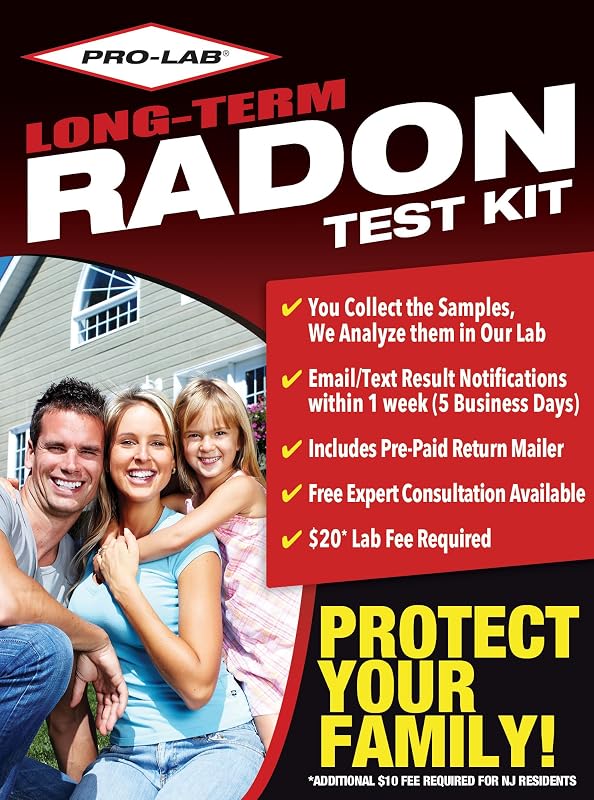
A long-term kit measures for 3 to 12 months and gives a better picture of the yearly average, since radon changes with season and weather. The PRO-LAB long-term kit is $12.99 with a 3.7-star rating from 258 buyers. It uses alpha track detection. A short test followed by a long one is a common plan if the first number lands near 4.
What your result means
| Result | What to do |
|---|---|
| Below 2 pCi/L | No action needed. Retest every couple of years and after major remodels. |
| 2 to 4 pCi/L | Consider fixing the home. A long-term test can confirm. |
| 4 pCi/L or higher | Fix the home. Hire a certified radon mitigation contractor. |
Mitigation commonly means a vent pipe and fan that pull the gas from under the slab. Costs vary by home and region, so get several quotes. Do not guess a figure from a blog. Bring in a certified pro.
Where radon testing is heading
Expect digital radon monitors to keep getting cheaper and more common. Continuous monitors show how levels swing with weather and with the furnace, which a mailed kit never shows. Smart home apps will likely add radon alerts to air quality dashboards.
The downside: cheap digital sensors vary in accuracy, and a number on a screen can give false comfort or false panic. Use a lab-analyzed kit to confirm any digital reading before spending money on mitigation.
Cost, step by step
- Kit: $9.99 for two short-term detectors (listing price).
- Lab fee: $20 per detector, so about $40 for two, per the listing.
- Total: roughly $50 for a two-detector short test before shipping and any state fees.
That is still far cheaper than most professional tests. A pro test usually costs more but may give a faster answer, and some states require specific testers for real estate sales. Check local rules.
Common mistakes
- Testing in a closet, a crawl space or a bathroom. Use a regular living space.
- Putting the detector next to a window or a sump pit.
- Forgetting to record the start and stop times.
- Waiting weeks to mail it. Send it back right away.
What to expect after a high result
A high number is a problem with a known fix. Radon reduction systems vent soil gas outside, and they work in most homes. After the work, test again to confirm. Our mold guide covers another reason basements need attention.
Looking ahead, expect radon to get more attention in real estate. More states are pushing disclosure rules, and buyers are asking for tests earlier. That is good for awareness. The downside is a rush of cheap tests and quick-fix sales pitches, so stick with EPA-recognized methods and certified pros.
Frequently asked questions
Is radon really dangerous? Yes. The EPA ranks it as the leading cause of lung cancer among nonsmokers.
How long does a short-term test take? From about two days up to 90 days depending on the device. This kit lists as little as 48 hours.
What if the result is high? At 4 pCi/L or above, fix the home. Hire a certified radon mitigation professional.
How often should a home be retested? Retest every two years, and after remodels or changes to the heating and ventilation system.
Sources
- U.S. Environmental Protection Agency, A Citizen’s Guide to Radon
- U.S. Environmental Protection Agency, Radon Testing and Mitigation guidance
- PRO-LAB radon test kit Amazon listings (checked October 2026)