

This page links to every water filter and softener guide on the site. Water rules and certifications change, so check current labels.
Water treatment ranges from a $20 pitcher to a whole-house system. This hub groups our filter and softener guides so you can find the right one.
Table of Contents
Start Here
- Want to treat the whole house? See point-of-entry systems, softeners and well-water filters.
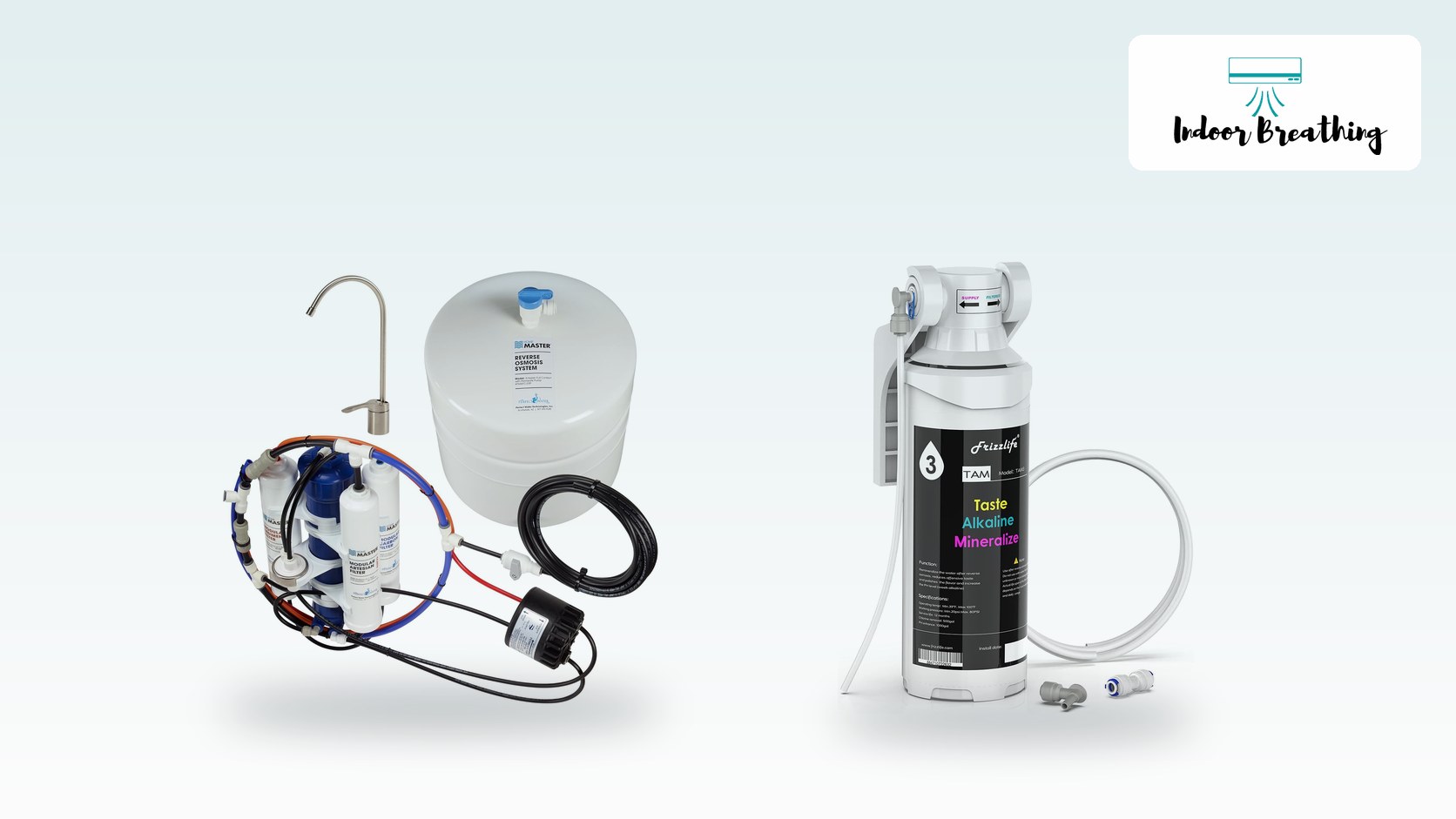
- Just drinking water? Pitchers, countertop, under-sink and reverse osmosis units are in the point-of-use list.
- Worried about one thing? Go to the contaminant list for lead, arsenic, fluoride, chlorine, iron and bacteria.
- Hard water? Check the softener guides and the sizing calculator.
Here is where water filtering is heading: more point-of-use systems and tighter rules on contaminants. Reverse osmosis units are getting smaller and tankless, and shoppers now ask about PFAS and lead on day one. The conversation is moving from taste to test results.
Water Filters by Point of Entry
- Best Sediment Filter for Well Water
- Best Whole House Reverse Osmosis Systems
- Best Whole House Water Filter Systems
- Best Whole-House Water Filters for Hard Water
- Whole-House Water Filters for Well Water
Water Filters by Point of Use
- Best Countertop Reverse Osmosis Systems
- Best Countertop Water Filters
- Best Faucet Water Filters
- Best Gravity Water Filters
- Best Inline Water Filters
- Best Portable Water Filters
- Best Refrigerator Water Filters
- Best Reverse Osmosis System Reviews
- Best Shower Filters
- Best Under Sink Water Filters
- Best Water Distillers
- Best Water Filter Pitchers and Dispensers
- Best Water Ionizers
- Best Alkaline Water Filters
- Best Alkaline Water Pitchers
- AquaTru Carafe Review
Water Filters by Specific Contaminants
- Best Water Filter to Remove Arsenic
- Best Water Filter For Chlorine
- Best Water Filters for Coliform Bacteria
- Best Fluoride Water Filters
- Best Iron Filters for Well Water
- Best Lead Water Filter
The downside is claims and waste. Not every filter handles every contaminant, and a filter that is certified for chlorine may do nothing for lead or fluoride. Reverse osmosis systems send some water to the drain, and add-on ‘alkaline’ stages are more marketing than medicine. Rules on contaminants such as PFAS have kept shifting, so a filter that meets one standard today may be judged differently later. Expect more labels and more confusion. Test your water first and match the filter to the result.
Water Softener Buying Guides
- Best Water Softeners
- Best Dual Tank Water Softener
- Best Outdoor Water Softeners
- Best Portable Water Softeners for RV Use
- Best Salt-Free Water Softeners
- Best Water Softeners for Well Water
- How to Choose the Right Size Water Softener
- Water Softener Grain Calculator
Water Filter Reviews
FAQ
Where do you start with a water filter?
Test your water. Then match the filter to what is in it, and check the certification.
What is the difference between point-of-entry and point-of-use?
Point-of-entry treats water as it enters the house. Point-of-use treats one tap or pitcher.
Do reverse osmosis systems waste water?
Yes, they send some water to the drain. Check the ratio on the listing.
Do you need a softener and a filter?
Often yes. A softener handles hardness, and a filter handles contaminants like chlorine or lead.
Final Word
Test, match, then buy. Pick certified filters for the contaminants you actually have.
What comes next: more at-home test kits, more certified cartridges for specific contaminants and more combined softener and filter setups. Start with a water test and a certification check.
Related Guides
Keep going with whole-house water filters for hard water, how to choose the right size water softener, water softener grain calculator, alkaline water filters and best water filter for chlorine.